Mycoblastus sanguinarius f. sanguinarius
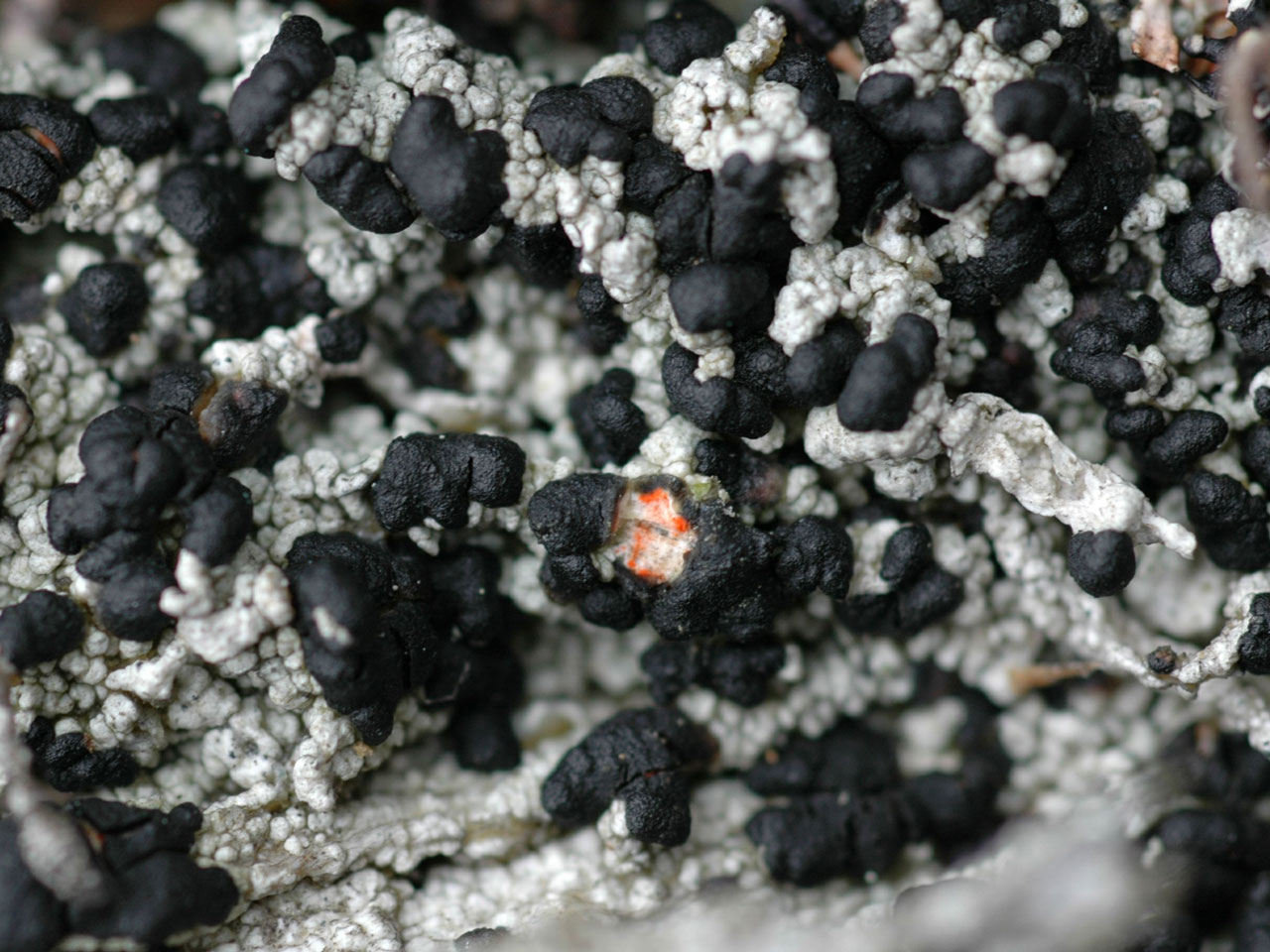
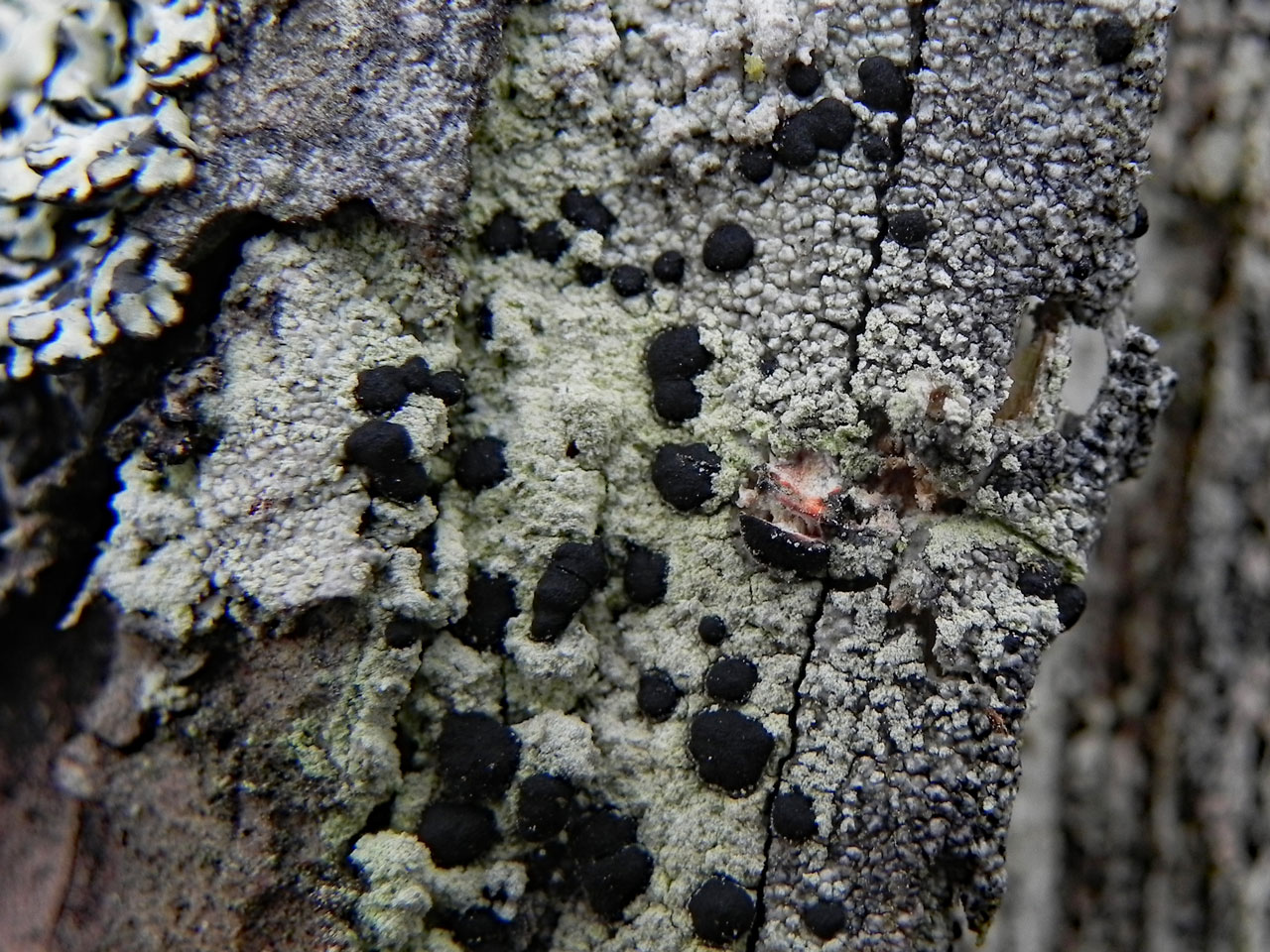
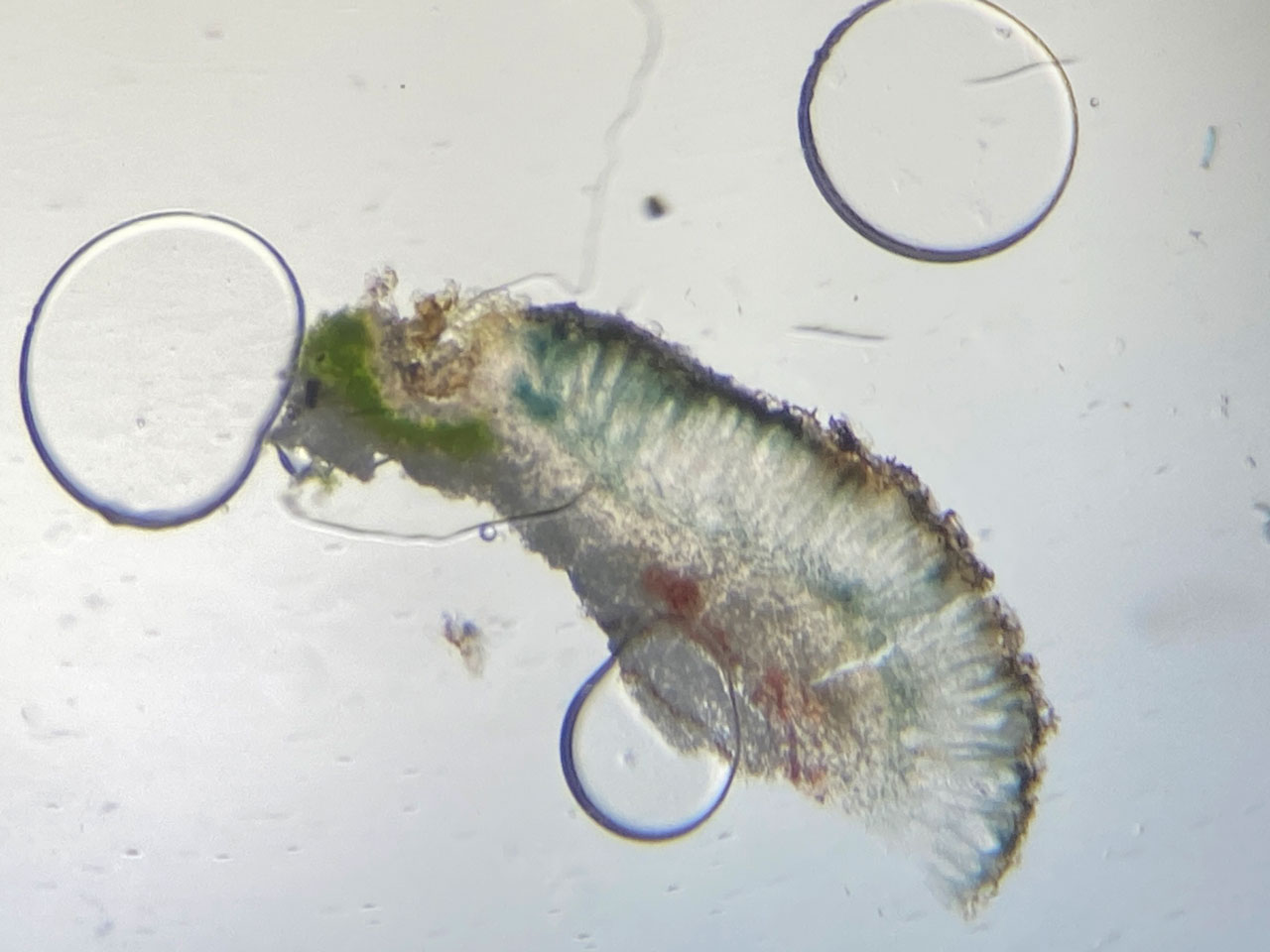
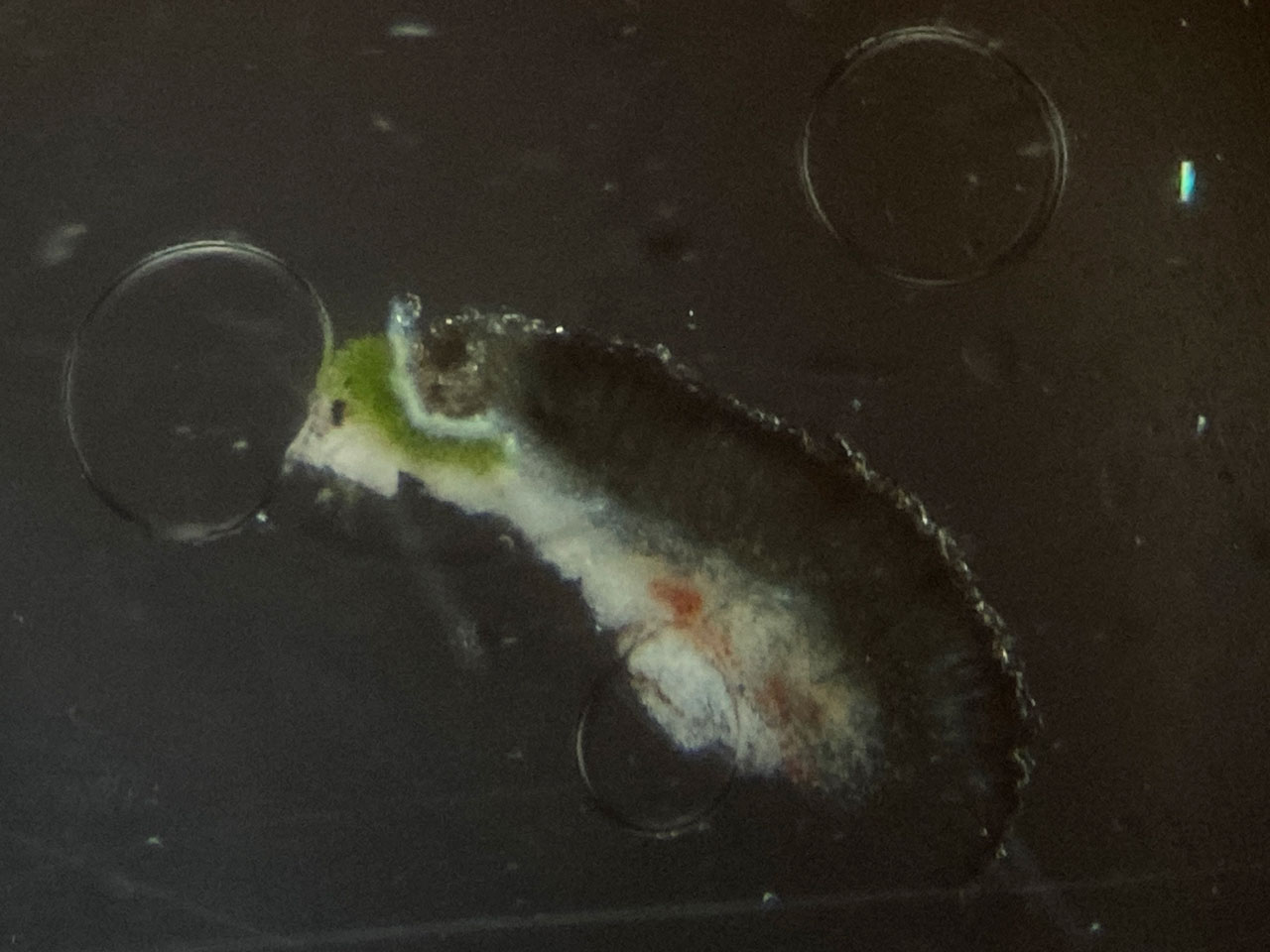
A distinctive species of uplands on acid trees and rocks, characterised by the bright carmine-red thalline cushion that develops under the apothecia. This is often exposed when the thallus is damaged or abraded, giving a blood flecked appearance. Identification is now complicated by the discovery of the very similar Mycoblastus sanguinarioides as an epiphyte in temperate rainforest. This is best separated by is by the presence of crystals in the hymenium that are visible in polarised light. These crystals are lacking in M. sanguinarius.
Thallus pale to dark grey, often very irregular and uneven, thick and ± coarsely verrucose or papillose-warted, appearing marbled, continuous or ± cracked, more rarely thin with scattered low warty papillae, a pale to dark grey prothallus sometimes present. Soralia rare; when present rounded, scattered, often few or confined to a few areas on a thallus, sometimes becoming confluent, concolorous with or paler than the thallus, convex, efflorescent. Apothecia 0.5–1.7 (–3.0) mm diam., usually frequent, black, becoming convex or hemispherical, sessile or slightly constricted beneath, developing on a bright carmine-red thalline cushion that may be exposed when the thallus is damaged or abraded. Asci 1- (to 3-) spored. Ascospores 70–100 × (28–) 35–45 µm, cylindrical with rounded ends; wall 6–7 µm thick. Pycnidia often present, 40–50 µm diam, wall dark green; conidia bacilliform, 6–9 × ca 1 µm. Cortex C–, K+ yellow, Pd+ yellow; medulla K+ red (in part), UV– (atranorin, chloratranorin, rhodocladonic acid (= mysaquinone), caperatic acid); soralia Pd–; hypothecium and tissue under the apothecium carmine to blood-red, K+ bright red, pigment diffusing into solution.
Mycoblastus sanguinarius and M. sanguinarioides are usually distinguished by the carmine-red tissue under the apothecia. Rarely, this pigmentation is absent, thus leading to confusion with M. affinis. Mycoblastus sanguinarioides was recently recognised as occurring in the northern hemisphere by Spribille et al. (2011). Subsequently M. sanguinarioides was confirmed from Britain, where it appears to be found as an epiphyte in temperate rainforests. It tends to have pruinose young apothecia surrounded by whitish thalline material, and the apothecia are flatter when mature. The only clear separation, however, is by the presence of crystals in the hymenium that are visible in polarised light. These crystals are lacking in M. sanguinarius.
Morphs with soralia are infrequent and have been treated as M. sanguineus f. leprosus, but nearly always also have abundant apothecia. They are mainly confined to upland Scotland. From current knowledge their separation does not appear to be justified.
On trees, particularly Birch, occasionally on wood, hard siliceous rocks and over mosses; frequent.
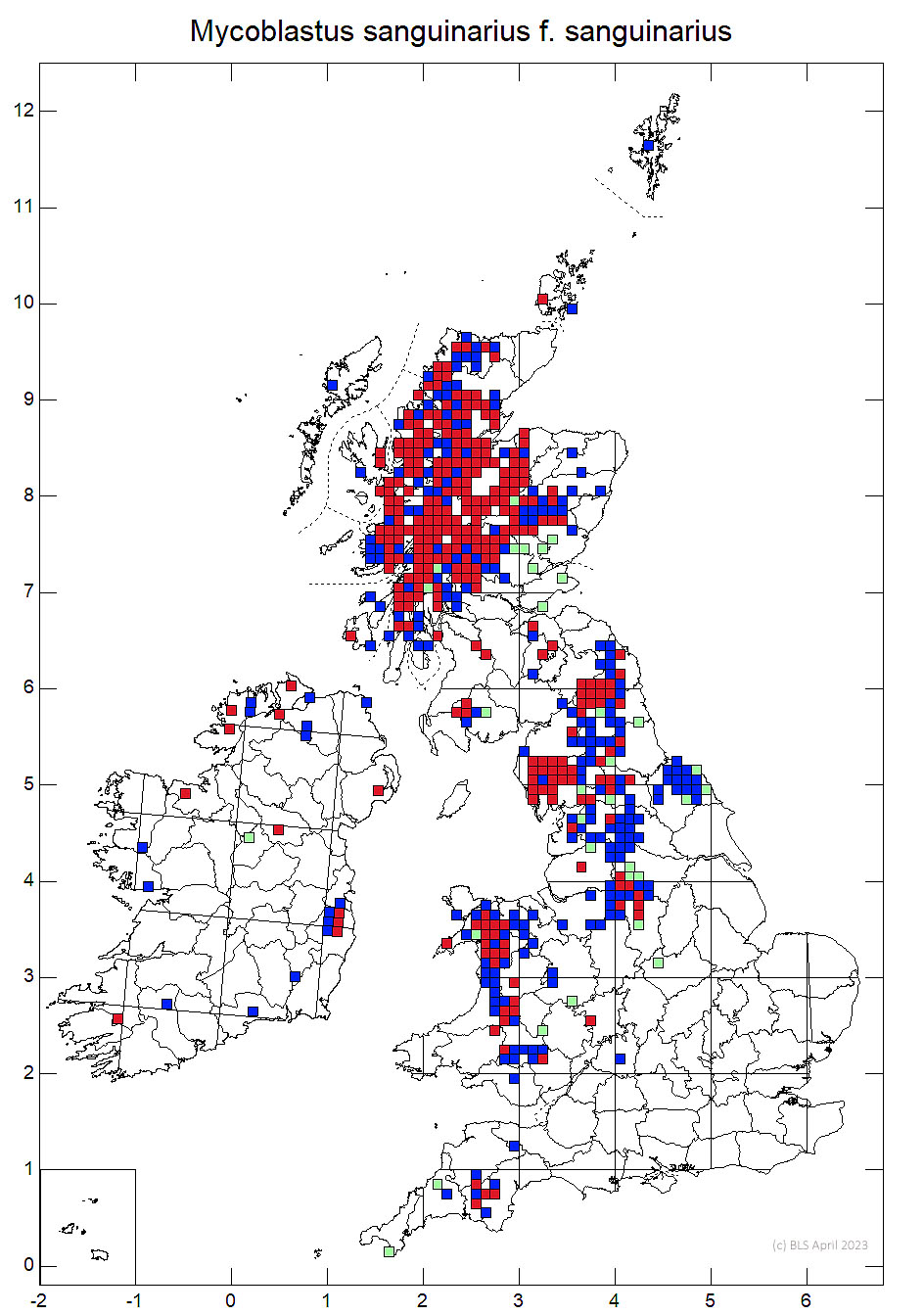


Upland areas of Scotland, extending locally to N and S.W. England & Wales. Appears to be replaced as an epiphyte in temperate rainforests by the very similar Mycoblastus sanguinarioides, but the degree this occurs this is not yet clear but M. sanguinarius may be over recorded in the west.
Cannon, P., Aptroot, A., Coppins, B., Orange, A., Sanderson, N. & Simkin, J. (2022). Lecanorales: Tephromelataceae, including the genera Calvitimela, Mycoblastus, Tephromela and Violella. Revisions of British and Irish Lichens 29: 1-10.
Spribille, T., Klug, B. & Mayrhofer, H. (2011). A phylogenetic analysis of the boreal lichen Mycoblastus sanguinarius (Mycoblastaceae, lichenized Ascomycota) reveals cryptic clades correlated with fatty acid profiles. Molecular Phylogenetics and Evolution 59: 603-614.
Text by Neil A Sanderson based on Cannon et al (2022)