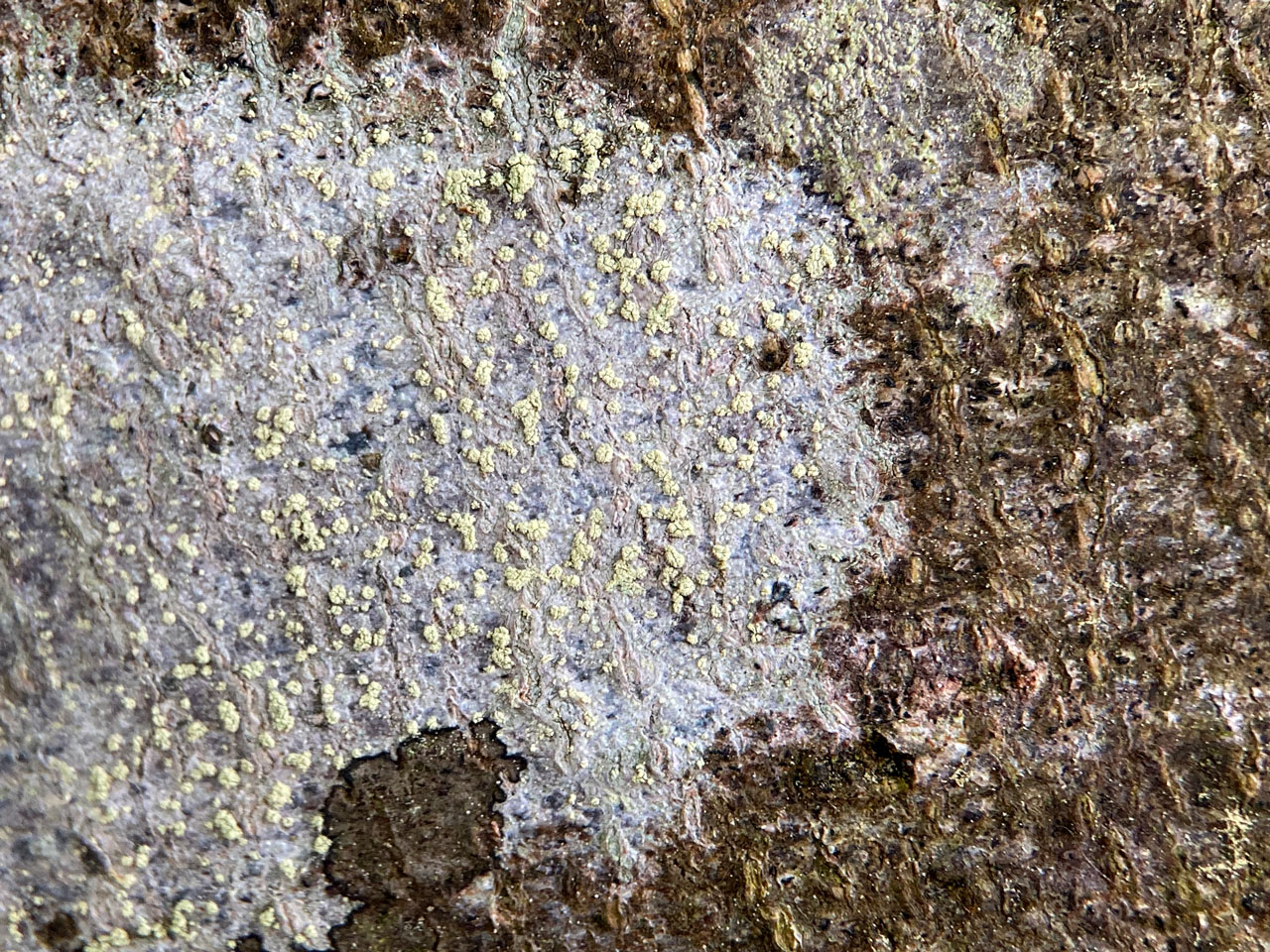
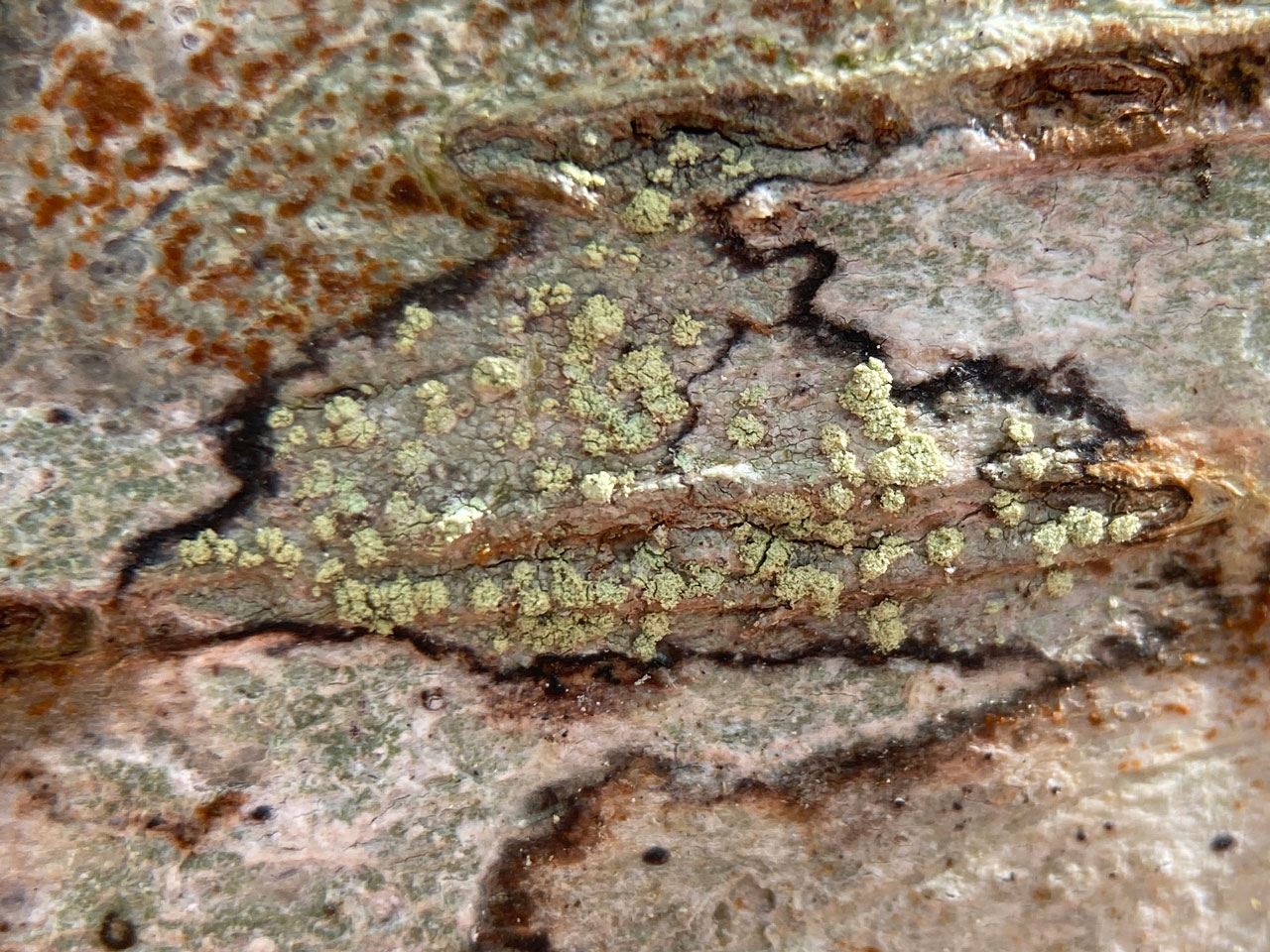
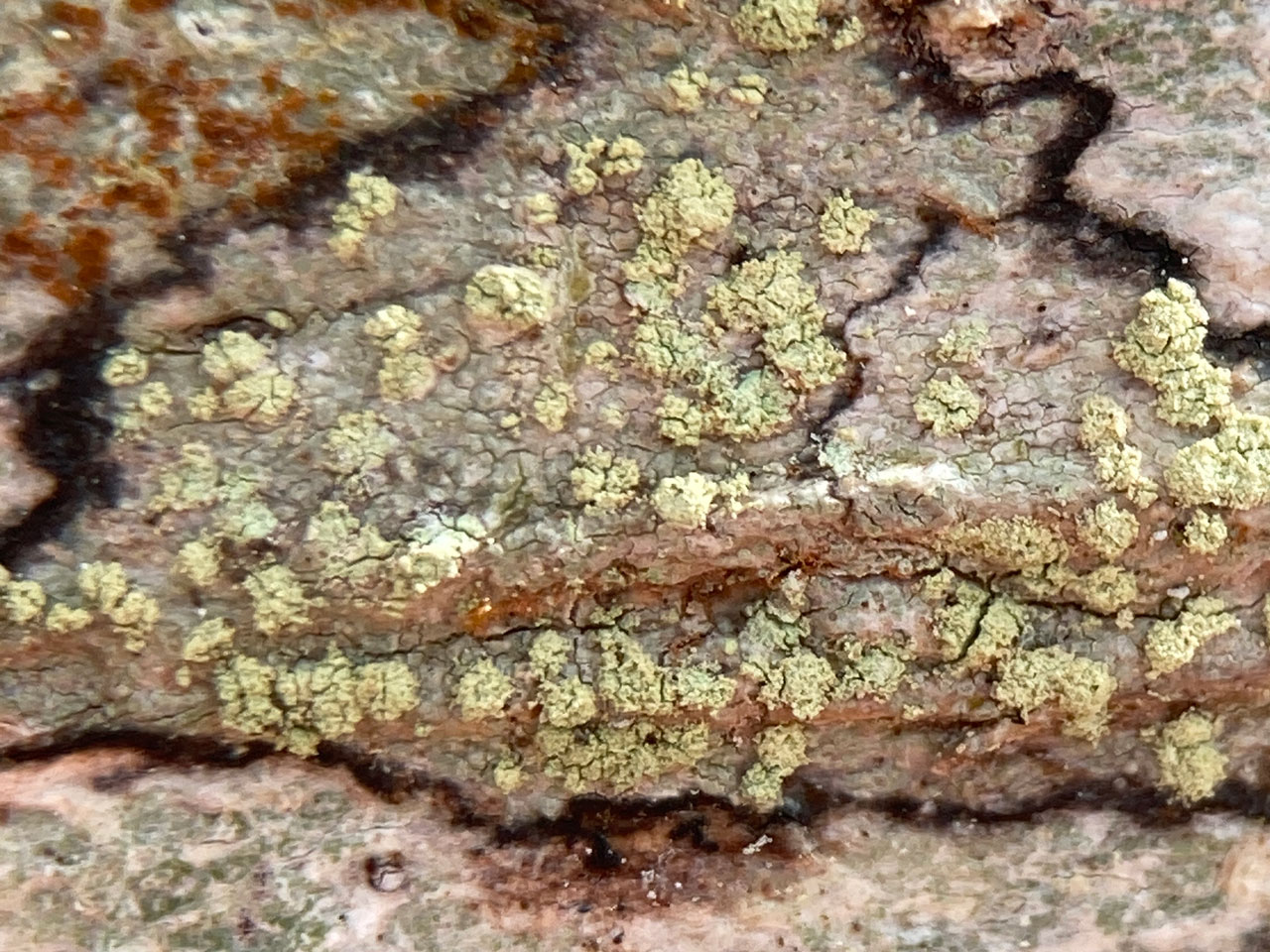
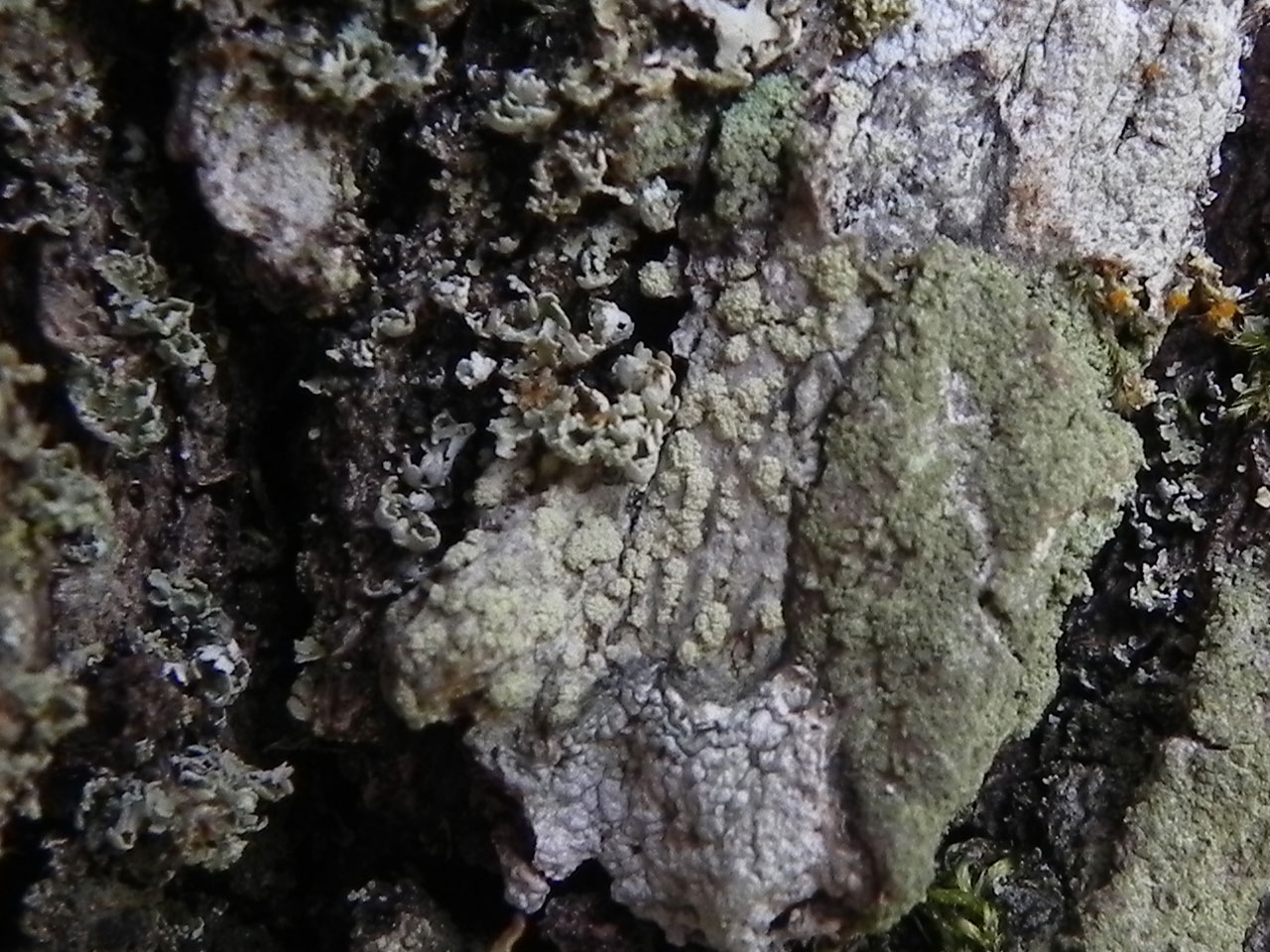
A usually sterile sorediate lichen found on smooth bark in sheltered woodland deciduous trees in woodlands, especially Beech, often also on Sallow in damp situations, rarely on wood or siliceous rocks. With a wide oceanic distribution. Characterised by a grey-white thallus with delimited ± circular convex pale yellow soralia and a weak K+ yellow spot test.
Thallus to 2–3 cm diam., forming continuous smooth to granular patches, grey; prothallus when present black; soredia arising in delimited ± circular convex soralia to 1 mm diam., farinose, pale yellow (to white in dried collections); large crystal clusters occur in the thallus and are visible as translucent spots when the thallus is moistened. Apothecia usually absent, to 0.8 mm diam., dispersed, immersed or sessile; thalline margin entire to delicately crenulate, becoming excluded, including large crystal clusters; disc pale green-, pink-brown or rarely almost black, flat; epithecium pale yellow-brown interspersed with small granules; hymenium 35–60 µm tall; paraphyses sparsely branched, apices not swollen or pigmented. Asci 45–50 × 10–15 µm. Ascospores (7–) 10–14 × (4–) 6–8 µm. Thallus C–, K± weak yellow, soralia KC+ yellow, Pd–, UV± pale orange (soralia) (atranorin, ± chloratranorin, 2-O-methylsulphurellin and usnic acid).
A member of the L. polytropa group. The discrete clusters of large oxalate crystals in the thallus of L. jamesii help distinguish it from other sterile crusts with a greyish thallus and green/yellowish soralia.
The superficially similar L. farinaria, also occurring in carr woodland, has a different chemistry and much darker discs. When sterile, the strong K+ yellow reaction and paler soralia distinguish L. farinaria. Lecanora barkmaniana can occur on Salix and may look like L. jamesii when poorly developed, but has deeper yellow irregular soralia and a very strong K+ yellow reaction. Biatora britannica (Lecanorales: Ramalinaceae) grows in the same woodland habitats and looks broadly similar, and appears to have been miss-recorded as L. jamesii in the past. It has green-yellow soralia and is Pd+ orange. Coccotrema citrinescens (Pertusariales: Coccotremataceae) may resemble L. jamesii when it occurs on rocks, but the vivid K+ yellow reaction of the soralia of the former is diagnostic.
On smooth bark towards the base of deciduous trees in woodlands, especially Beech, often also on Sallow in damp situations, rarely on wood or siliceous rocks.
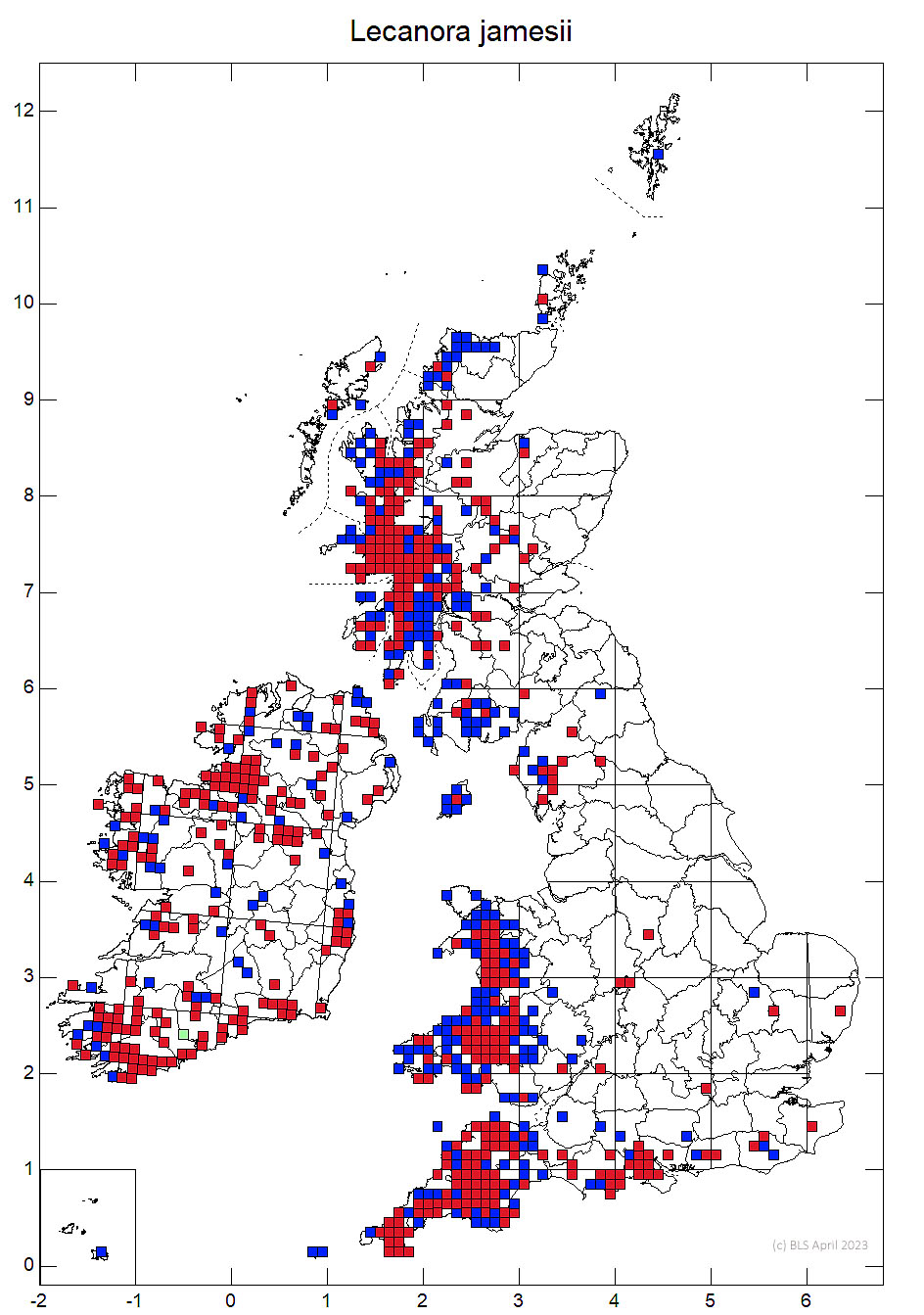

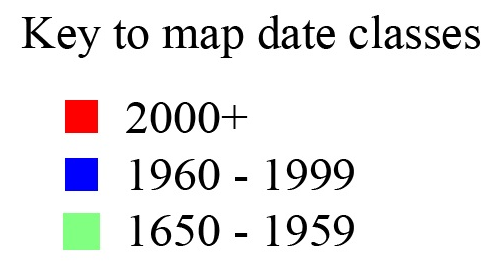
A locally abundant oceanic lichen, frequent in S.W. & W. England, Wales & Scotland, and Ireland except the central plain. Recently recorded in the Midlands and E. England, suggesting recolonisation after the decline in acidifying pollution.
Cannon, P., Malíček, J., Ivanovich, C., Printzen, C., Aptroot, A., Coppins, B., Sanderson, N., Simkin, J. & Yahr, R. (2022). Lecanorales: Lecanoraceae, including the genera Ameliella, Bryonora, Carbonea, Claurouxia, Clauzadeana, Glaucomaria, Japewia, Japewiella, Lecanora, Lecidella, Miriquidica, Myriolecis, Palicella, Protoparmeliopsis, Pyrrhospora and Traponora. Revisions of British and Irish Lichens 25: 1-83.
Text by Neil A Sanderson based on Cannon et al (2022)