Lecanora confusa
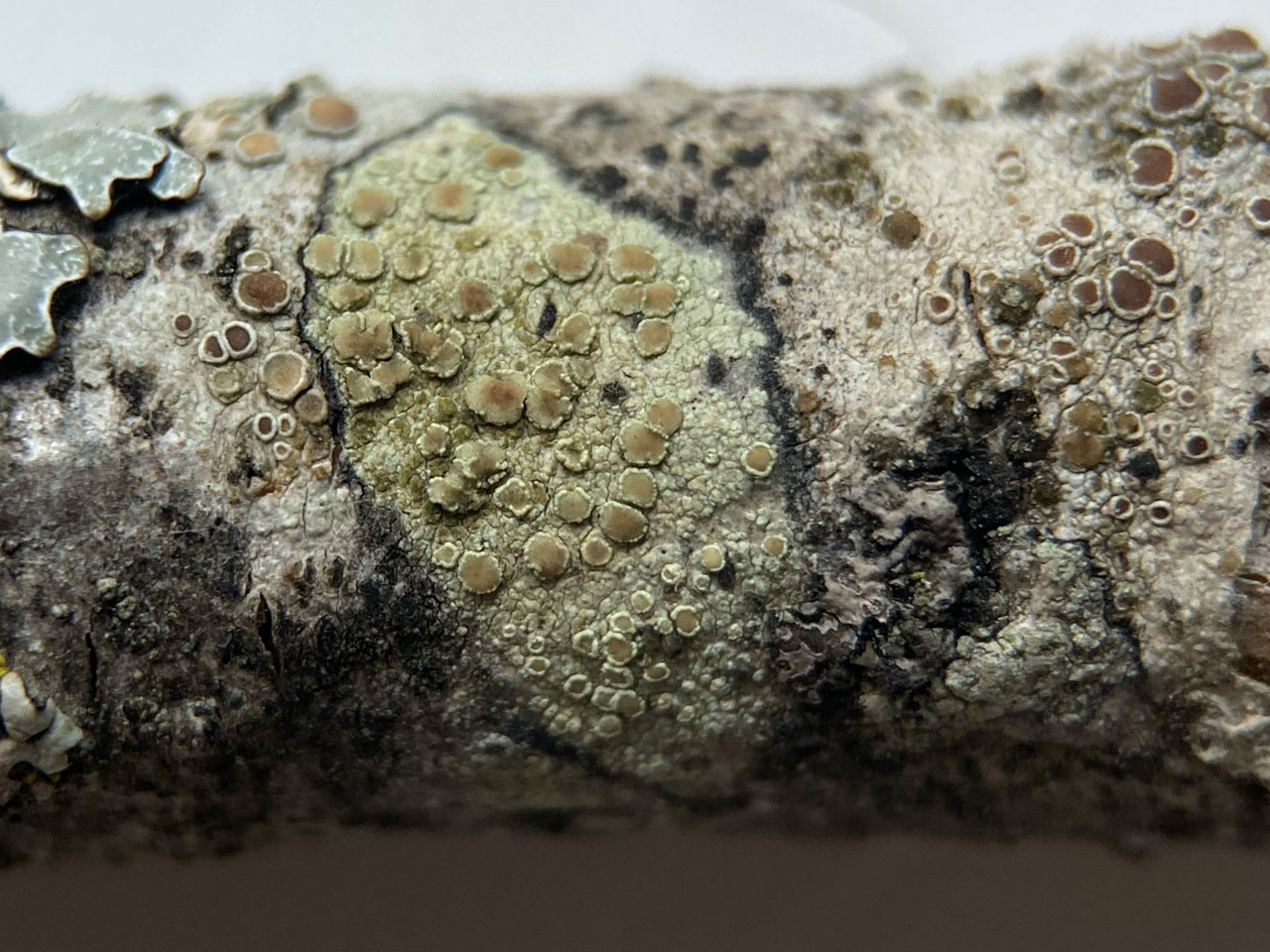
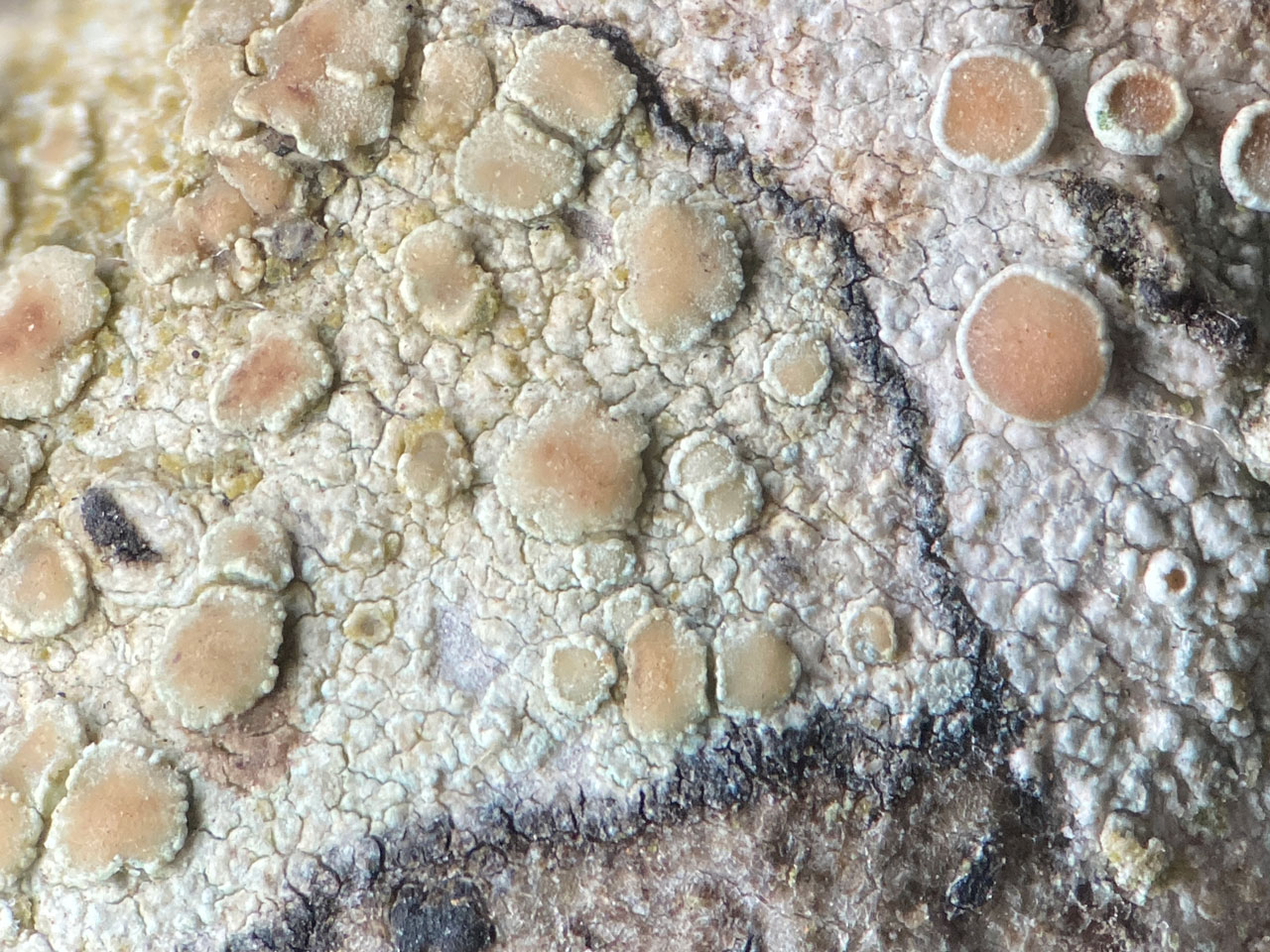
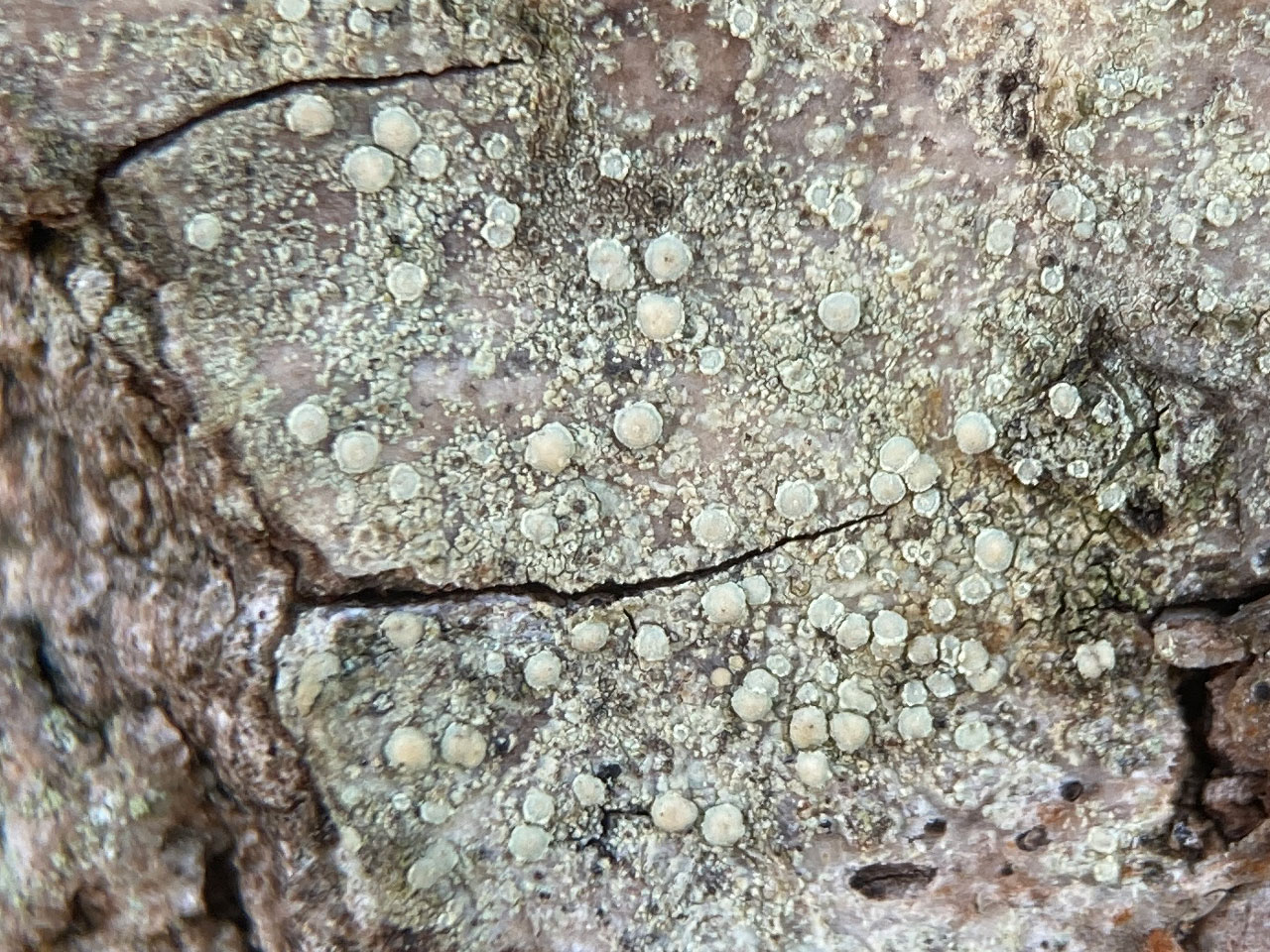
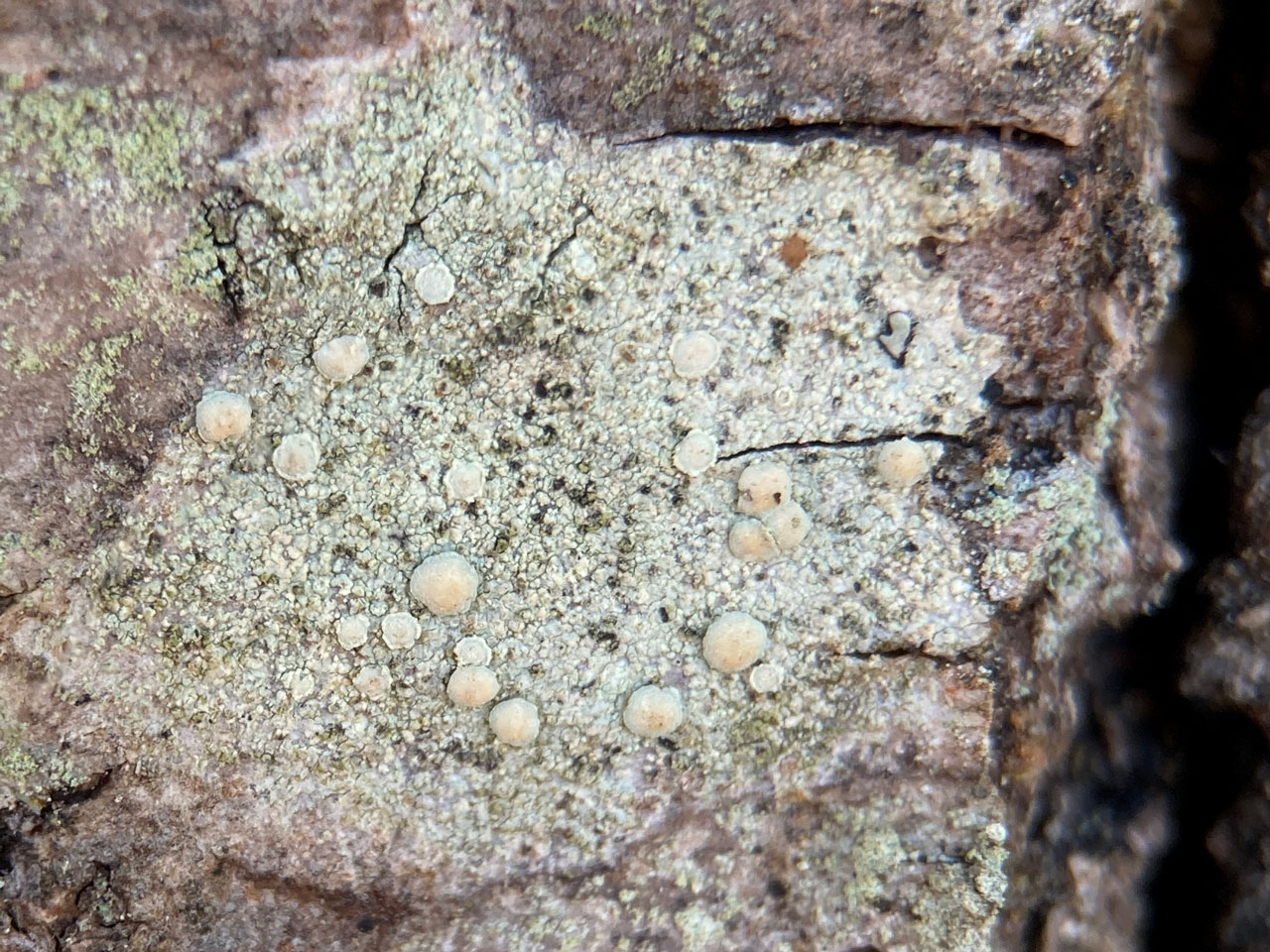
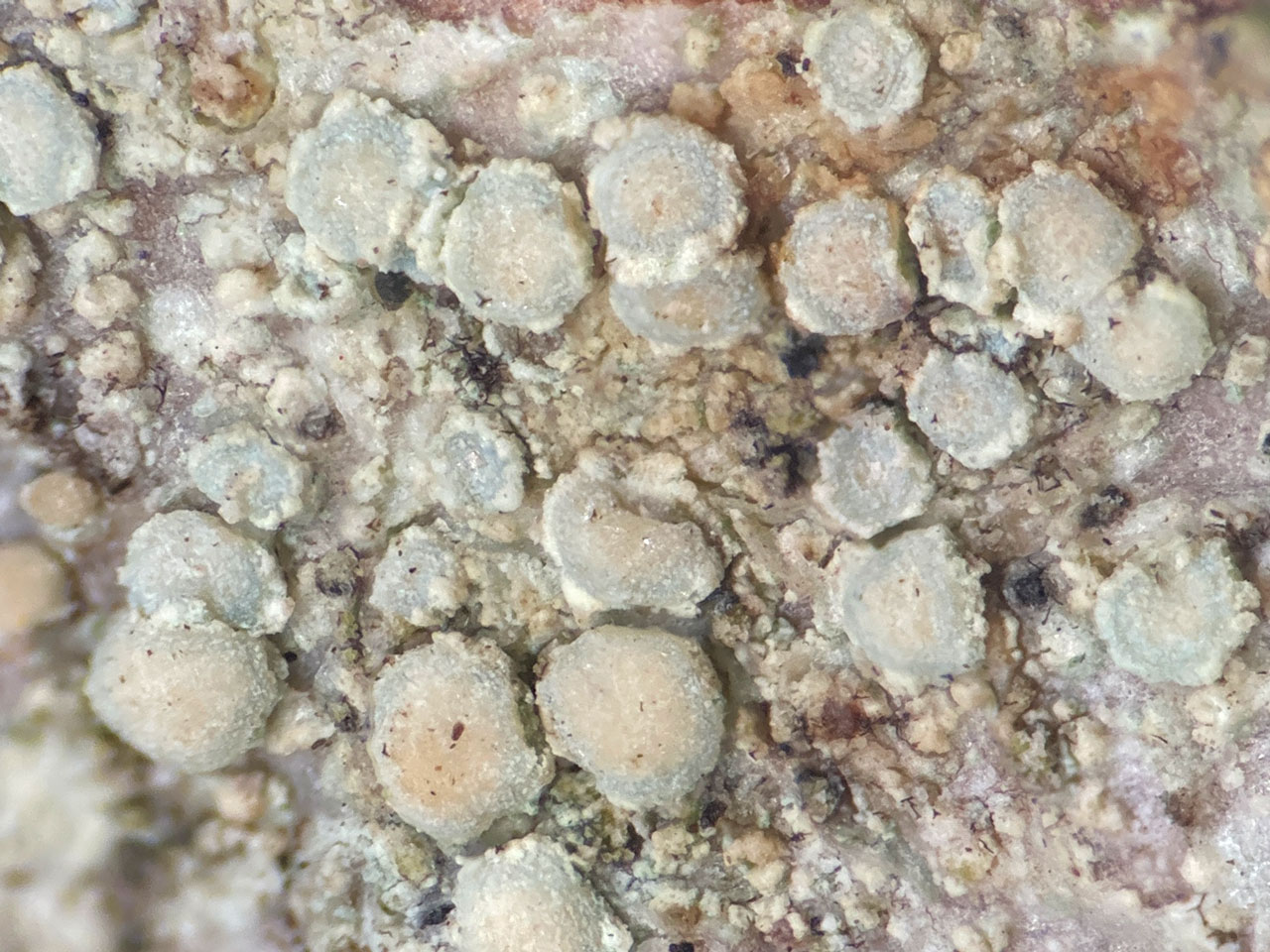
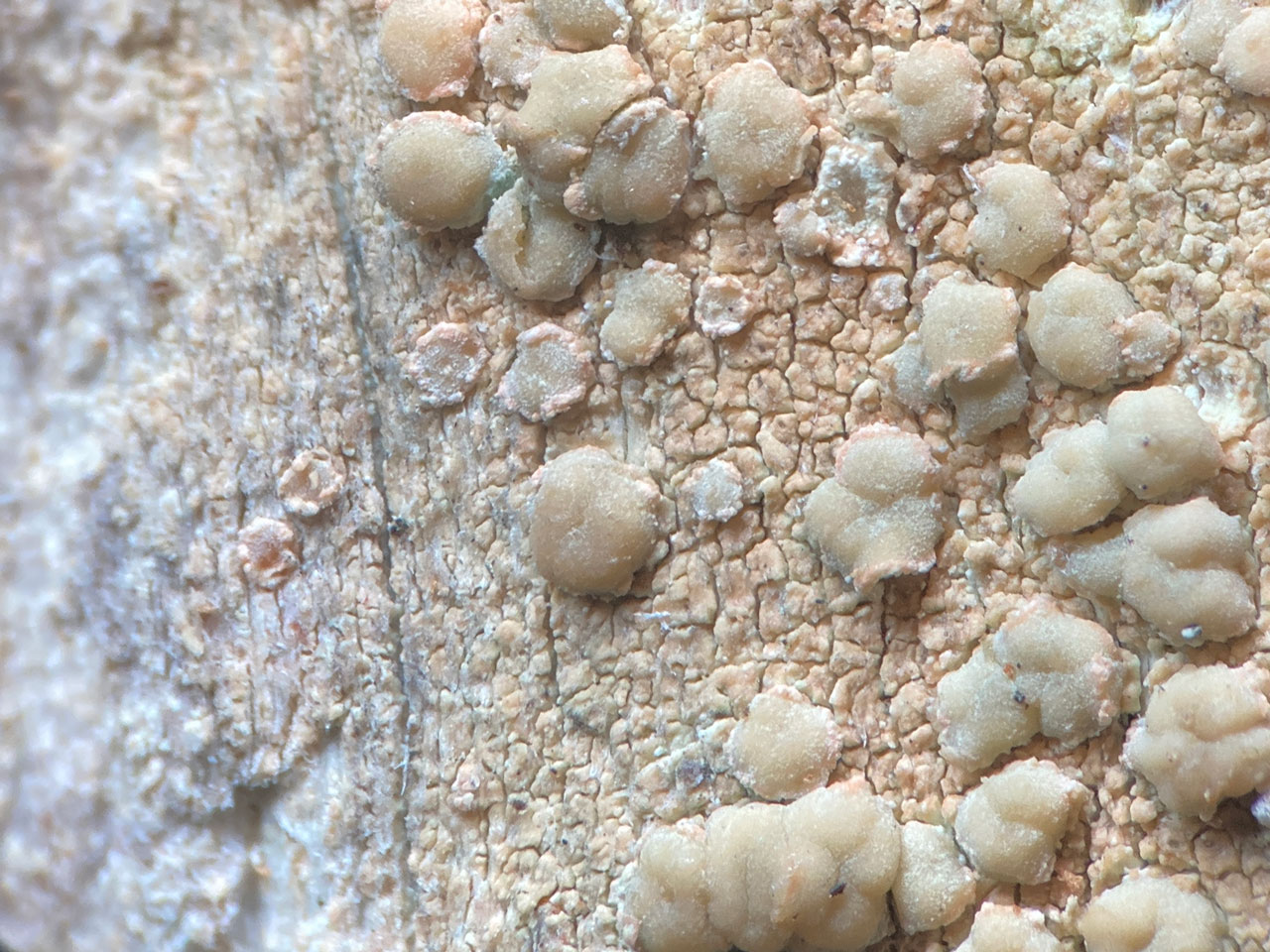
A small Zeora (Lecanora symmicta group) found mainly on twigs, commonest near the coast, but probably spreading inland in the south. It has a yellow-green, C+ orange, non sorediate thallus and is frequently fertile. Z. expallens (L. expallens) can look similar, but has a sorediate thallus.
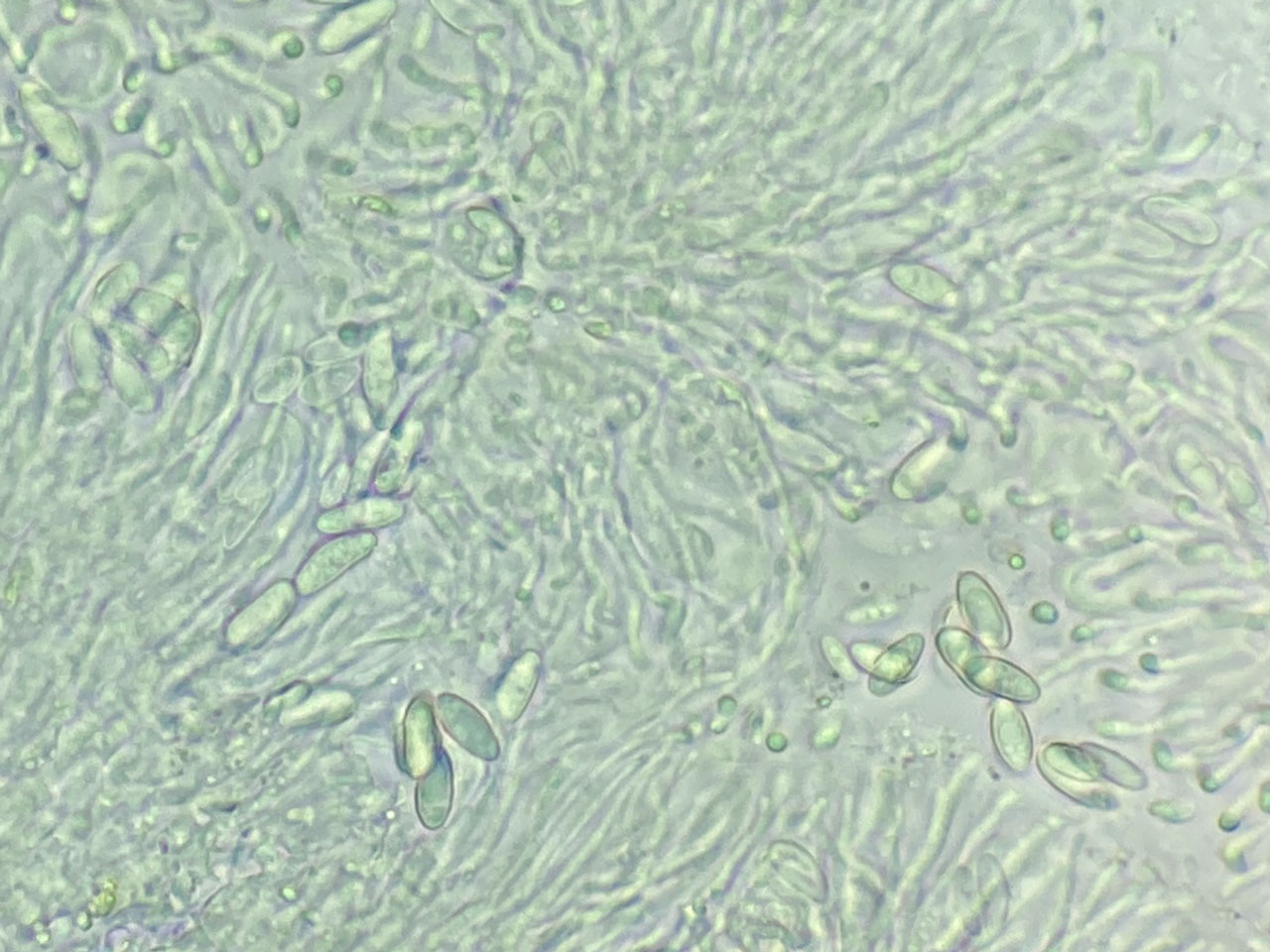
Thallus granular to granular-areolate, forming small discrete patches, green- to yellow- grey, smooth. Apothecia usually present, generally abundant, 0.4–0.7 mm, sessile, slightly constricted below, in small groups; thalline margin generally slightly paler than the thallus, the margin cortex becomes decorticate and granular with age, at first crenulate but rarely becoming excluded and then only represented by a few irregular granules; disc flat to somewhat convex, pale yellow-green, more rarely pink or brown, often coarsely pruinose; epithecium brown, with coarse granules; hymenium 65–85 µm tall; paraphyses 1–2 µm diam., branched and anastomosed, apices not swollen. Asci 32–45 × 11–15 µm, broadly clavate, long-stalked. Ascospores (8–) 10–14 (–16) × 4–5 µm, narrowly ellipsoidal. Thallus C+ orange, K–, K/UV (wet)+ bright green-yellow, KC+ orange, Pd–, UV+ bright orange (usnic acid, ± zeorin, thiophanic acid, ± arthothelin and other xanthones).
A member of the Lecanora symmicta group, which was transferred to the segregate genus Zeora Fr. by Ivanovich et al. (2025). It is separated from the predominantly eastern Straminella varia (Lecanora varia) and sparsely sorediate specimens of Straminella conizaeoides (Lecanora conizaeoides) by the more yellow colour of the thallus, the gradually excluded exciple, the C+ thallus and Pd– (not rust-red) reactions. Zeora expallens (Lecanora expallens) and Z. compallens (L. compallens) can also resemble Z. confusa but both have sorediate thalli, while Z. compallens is C– & K–, K/UV (wet)–. Zeora symmicta (L. symmicta) has an overall grey, KC+ pale yellow, thallus and paler immarginate and ± confluent apothecial discs. Zeora strobilina (L. strobilina) can look similar but has narrower spores and also differs by the lack of xanthones C– & K–, K/UV (wet)– and is found mainly on lignum and in more acidic habitats.
On bark, particularly twigs and small branches of deciduous trees and shrubs, and occasionally wood and especially coastal, worked timber.
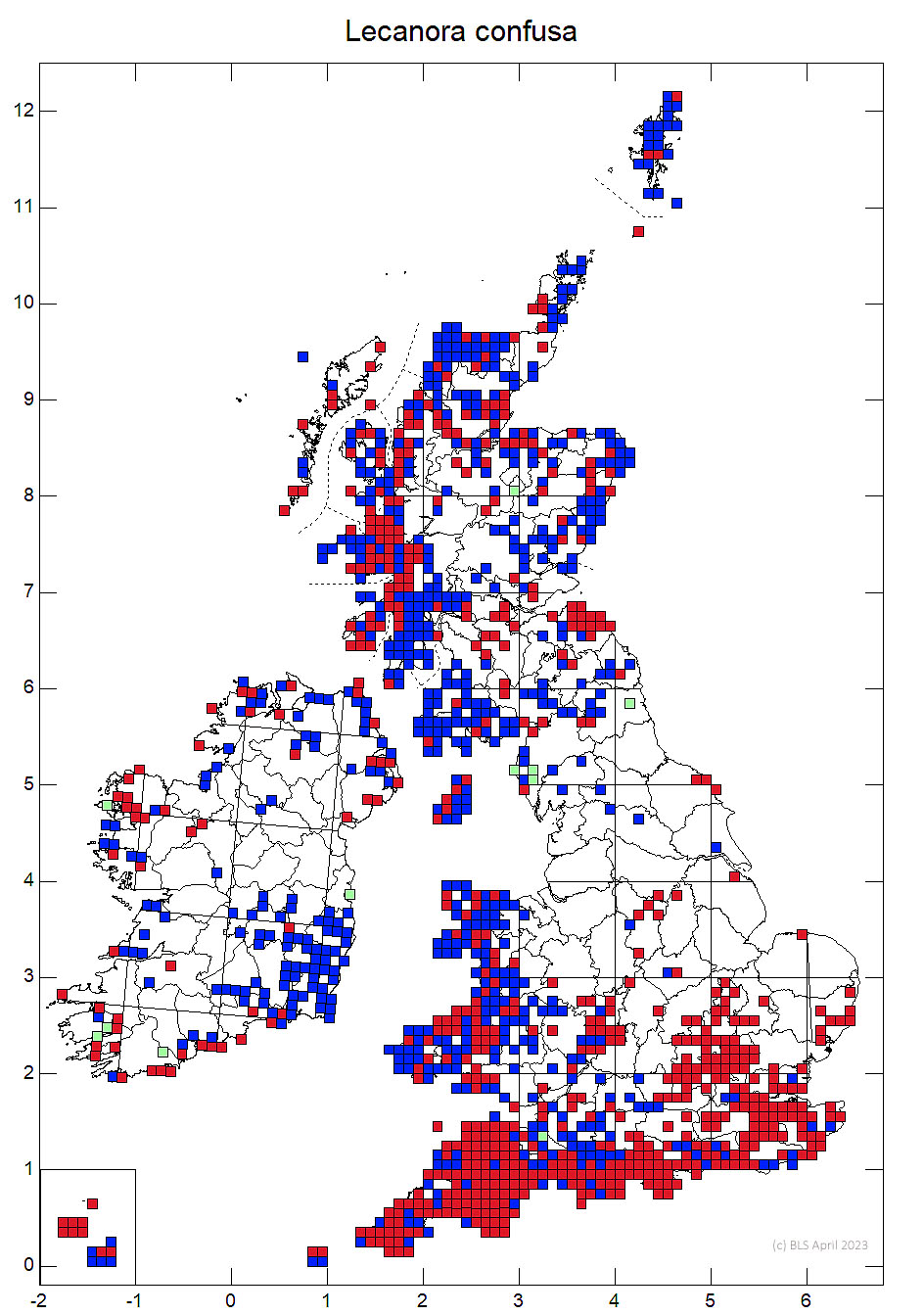

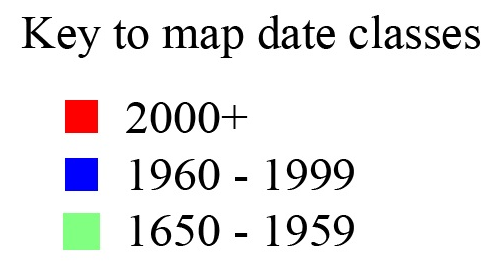
Locally abundant, especially near the coast. Widespread except in northern and central England and East Anglia, but appears to be colonising int these areas.
Cannon, P., Malíček, J., Ivanovich, C., Printzen, C., Aptroot, A., Coppins, B., Sanderson, N., Simkin, J. & Yahr, R. (2022). Lecanorales: Lecanoraceae, including the genera Ameliella, Bryonora, Carbonea, Claurouxia, Clauzadeana, Glaucomaria, Japewia, Japewiella, Lecanora, Lecidella, Miriquidica, Myriolecis, Palicella, Protoparmeliopsis, Pyrrhospora and Traponora. Revisions of British and Irish Lichens 25: 1-83.
Ivanovich-Hichins, C., Weber, L., Li, L., Leavitt, S. D., Muggia, L., Palice, Z., Pérez-Ortega, S., Sohrabi M., Printzen, C. (2025) New phylogenetic insights into the lichen genus Lecanora s. lat. (Lecanoraceae, Ascomycota): resurrection of the genera Glaucomaria, Straminella and Zeora. The Lichenologist. 57: 278-303.
Text by Neil A Sanderson based on Cannon et al (2022)