Graphis handelii
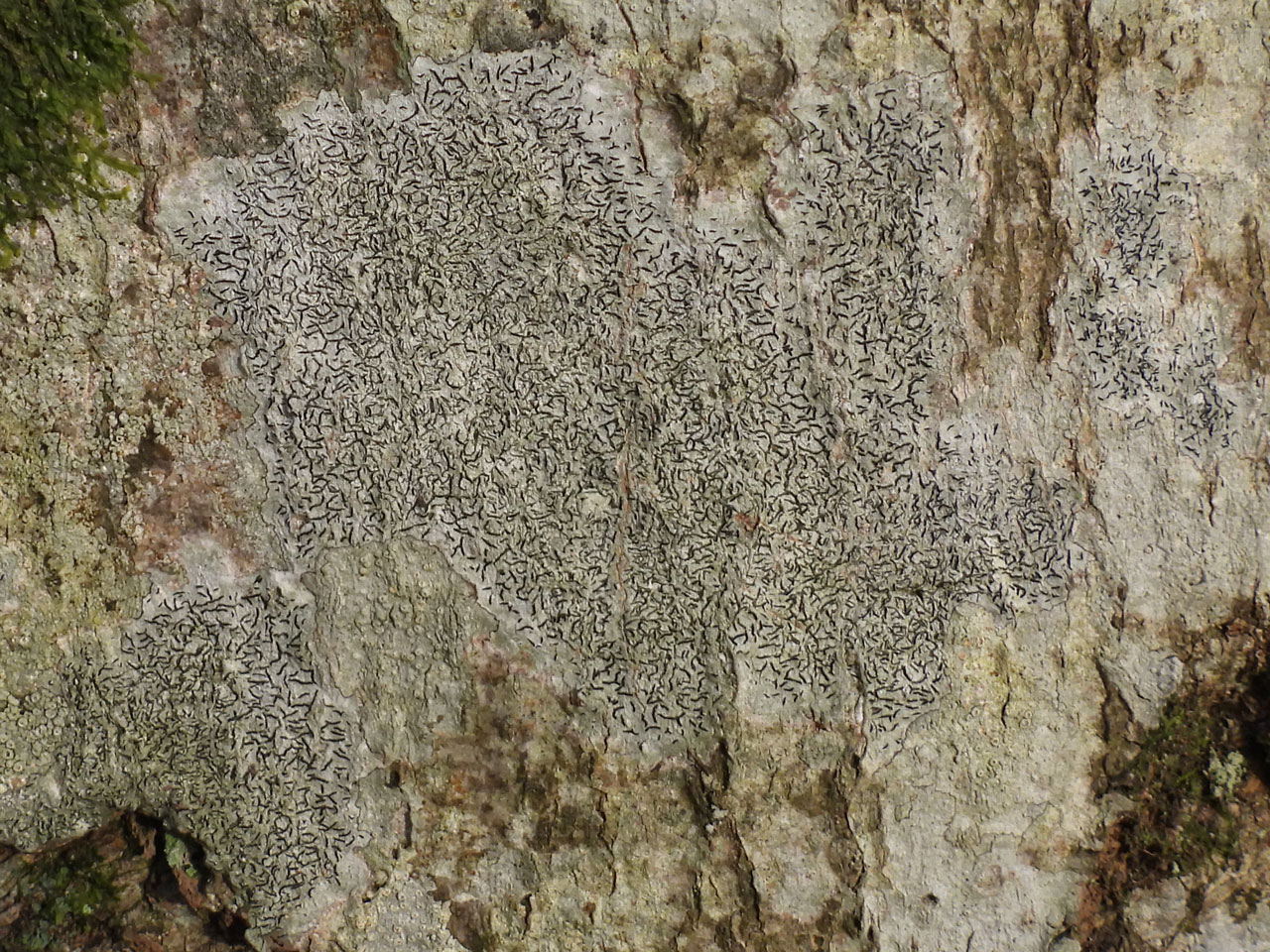
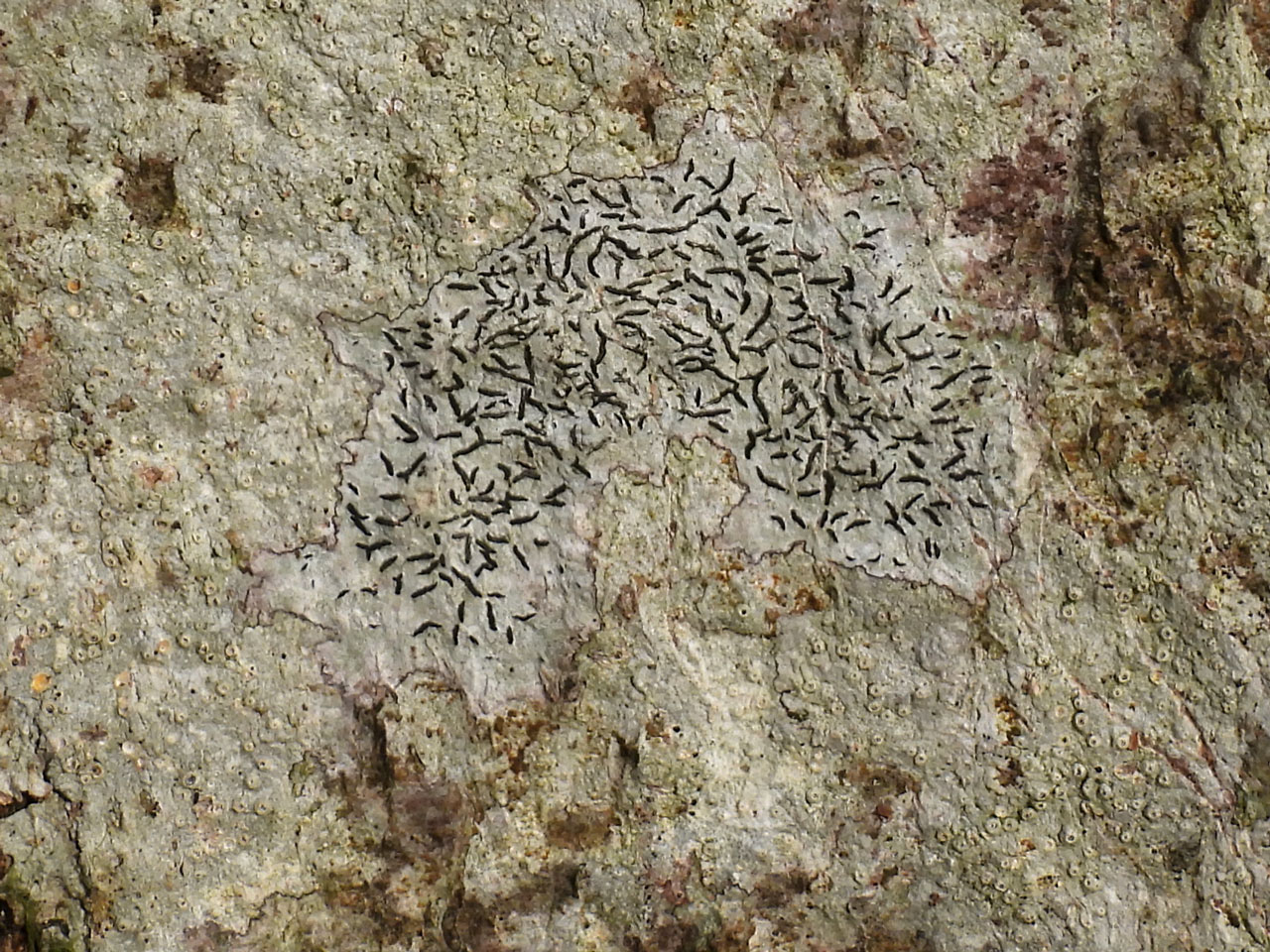
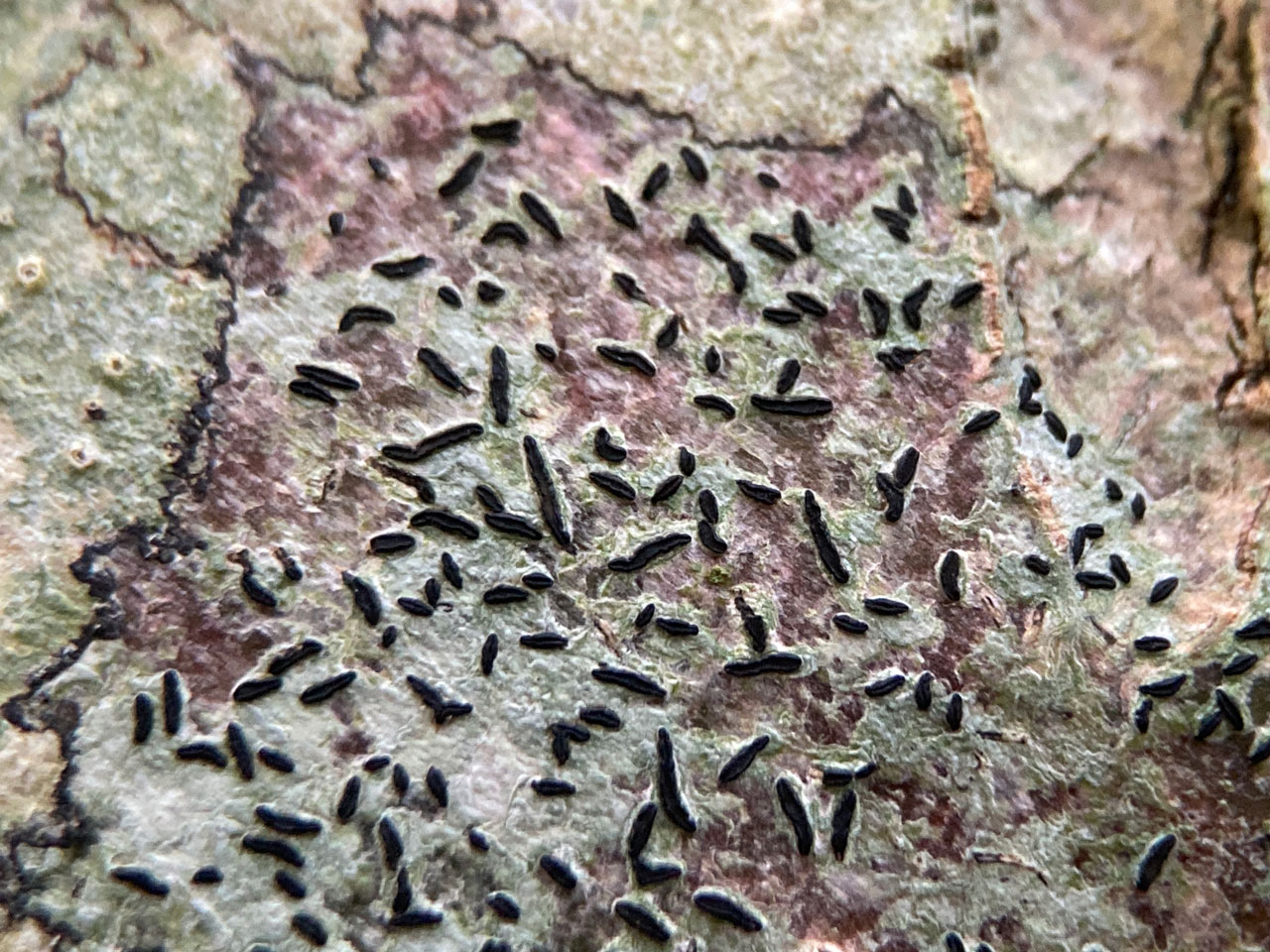
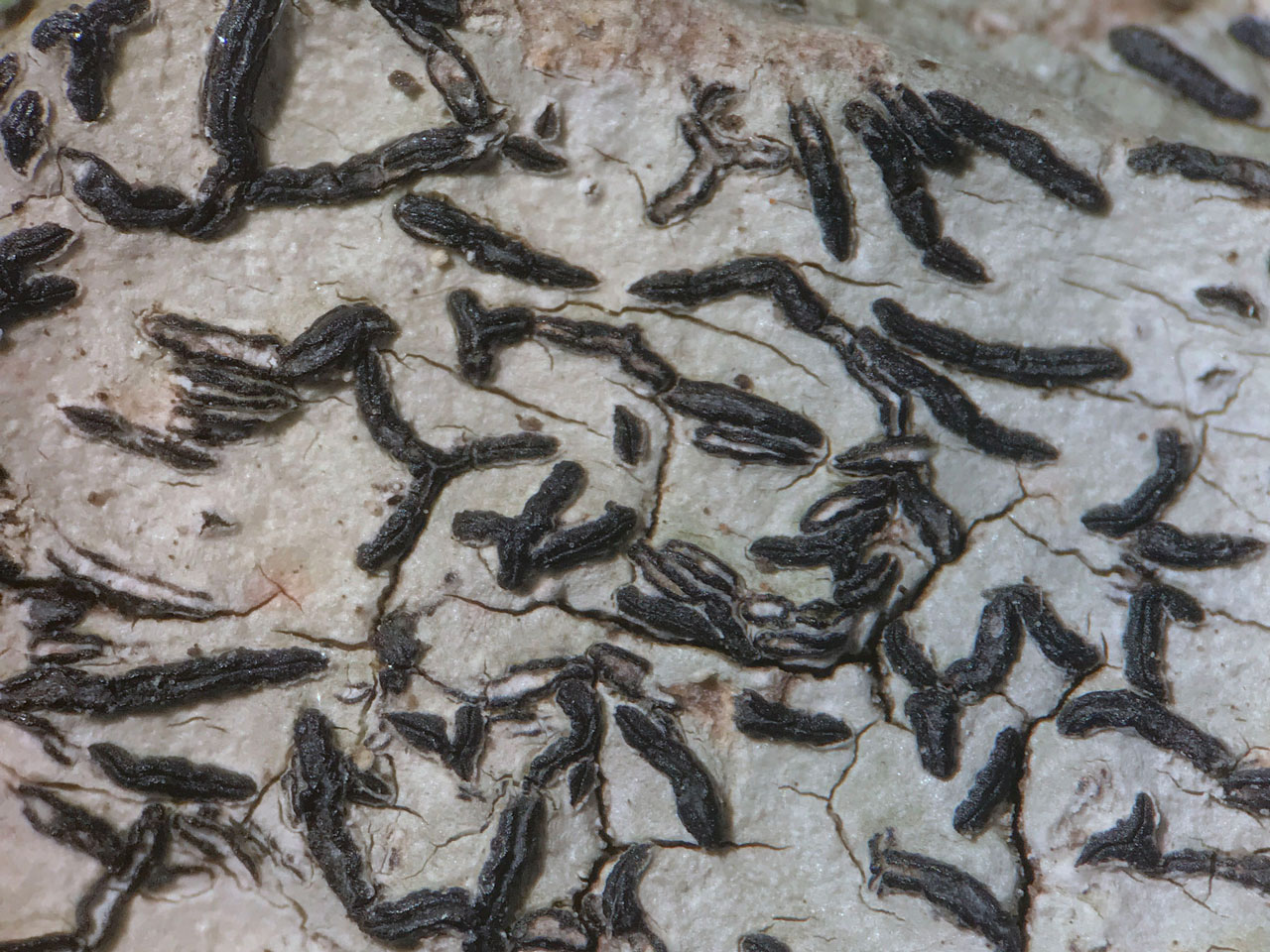
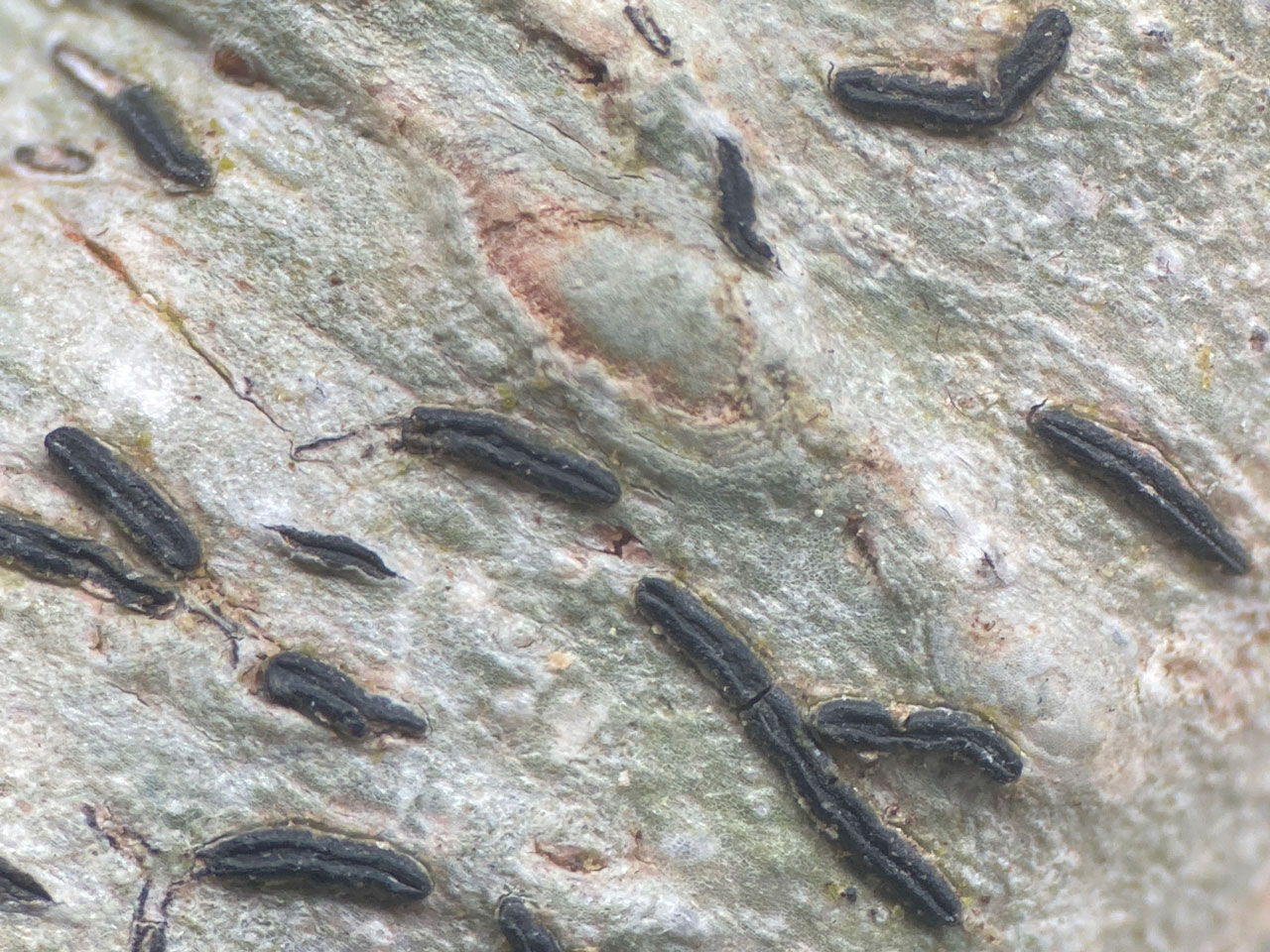
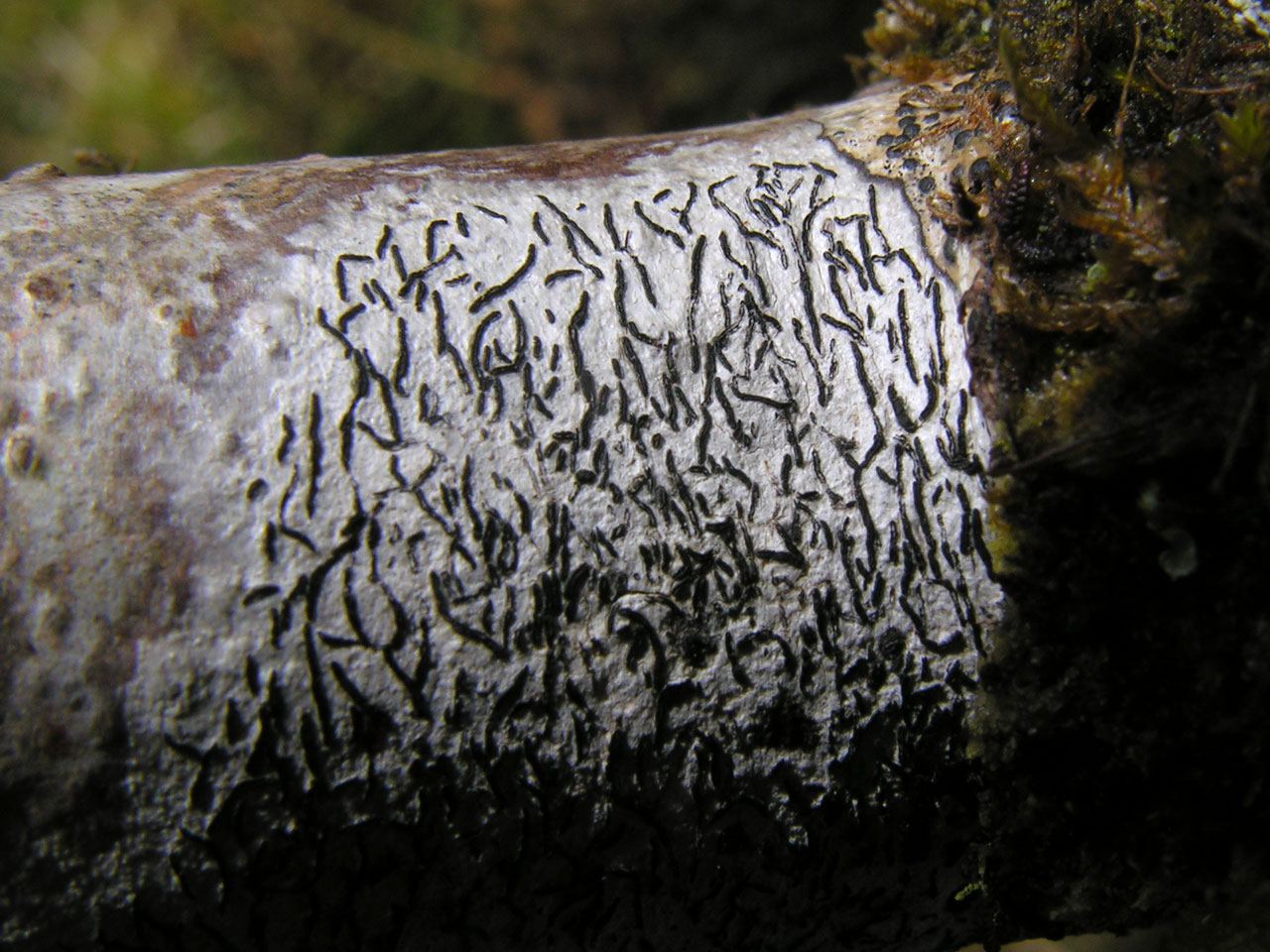
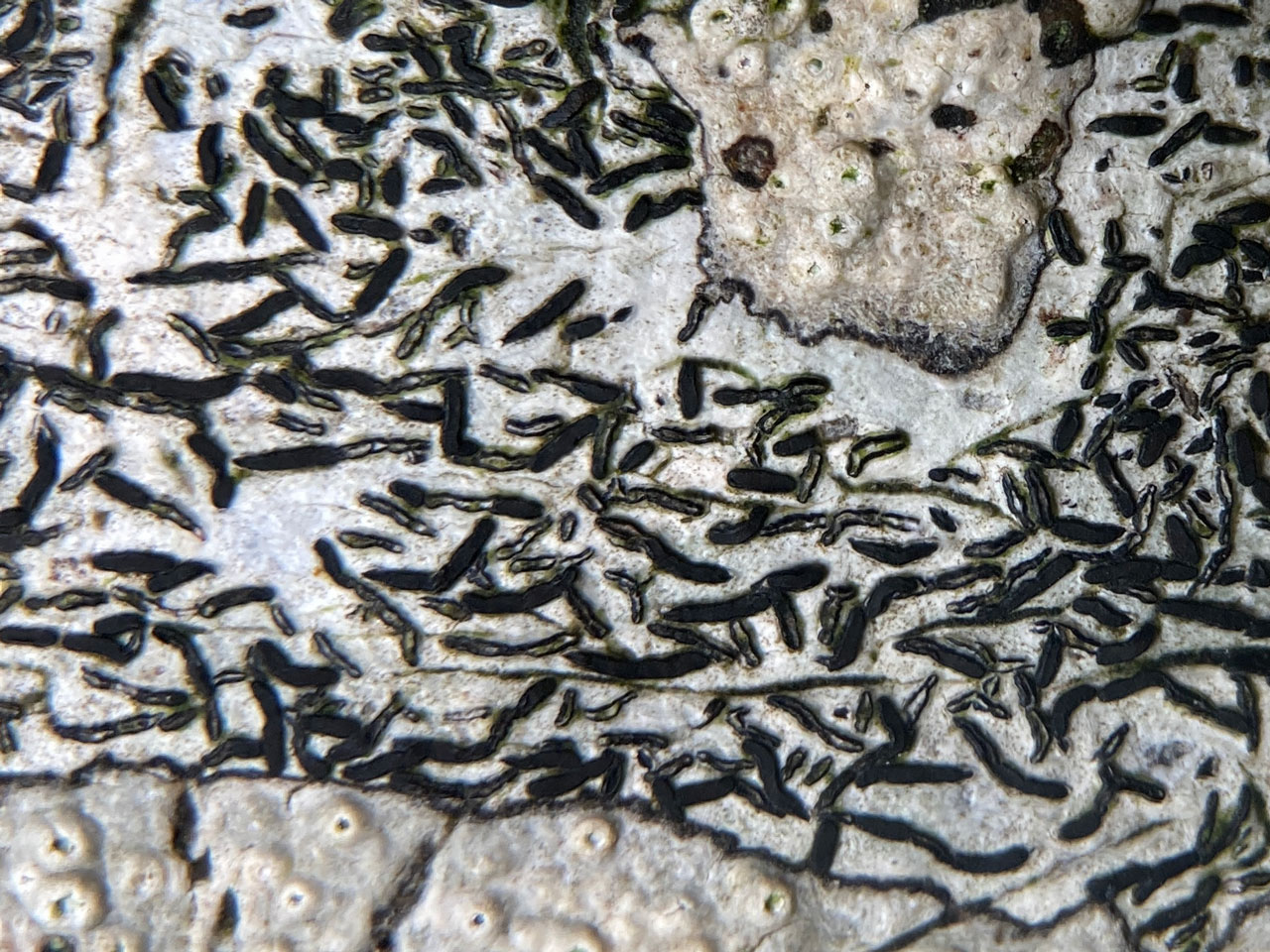
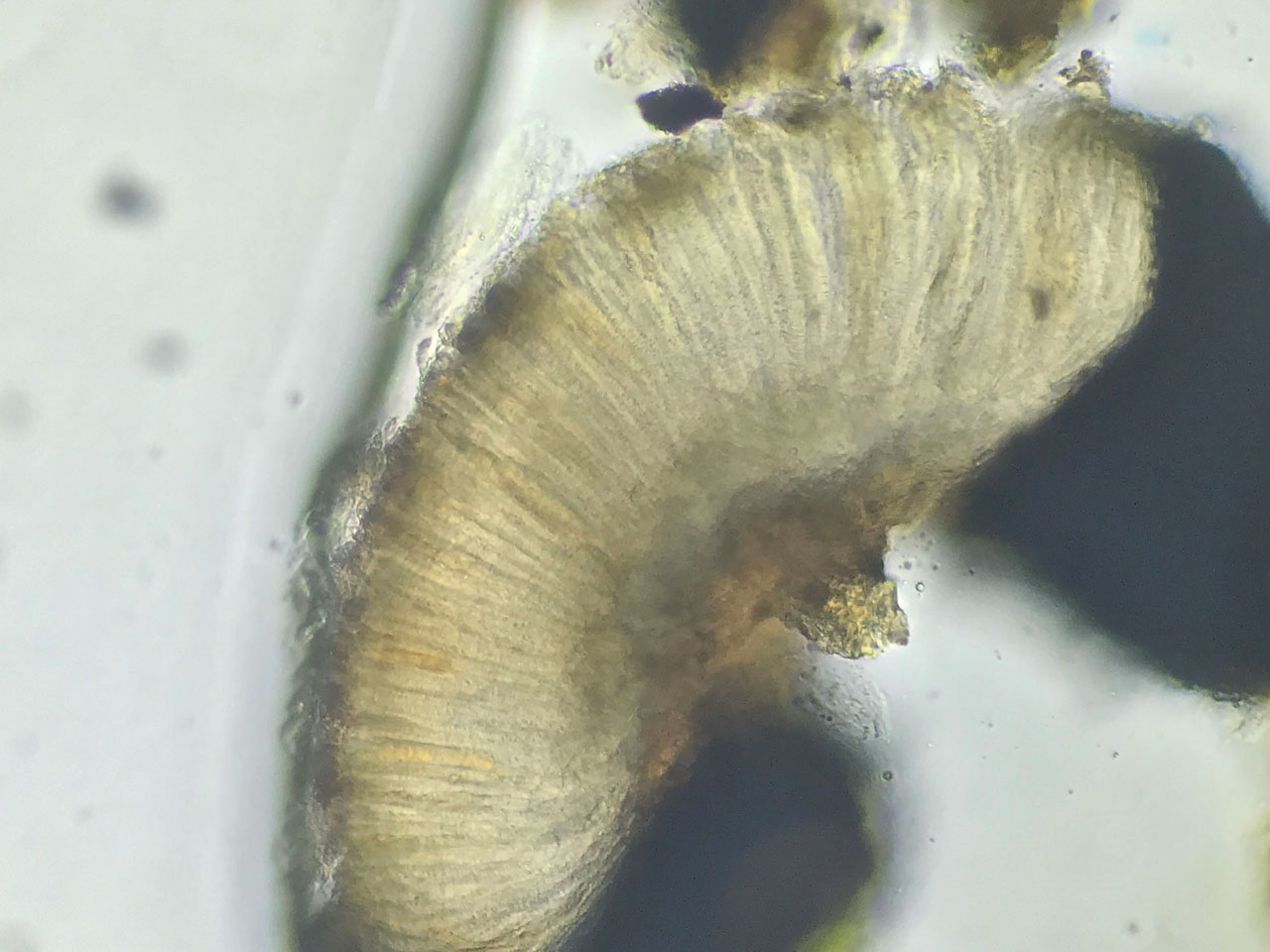
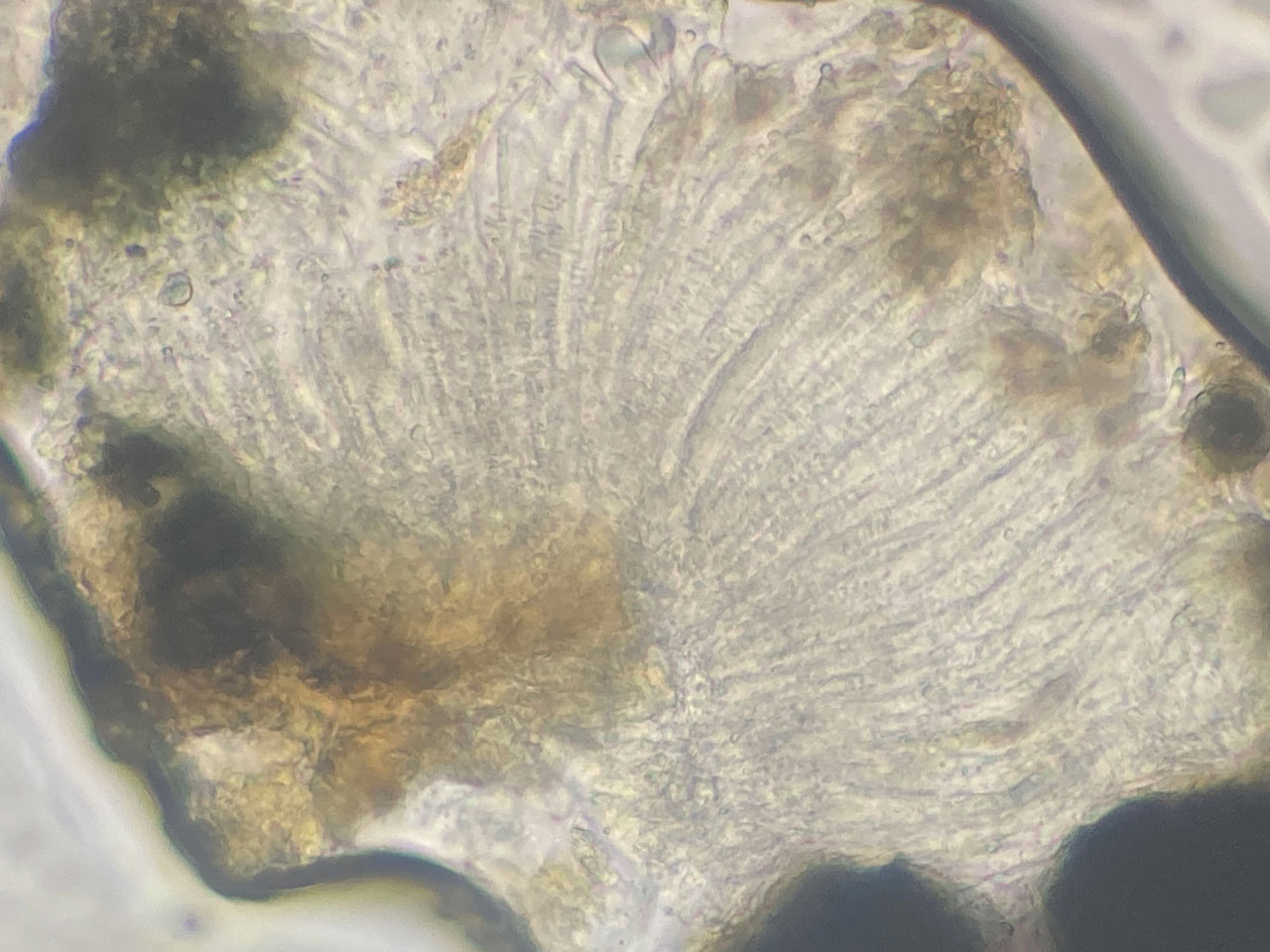

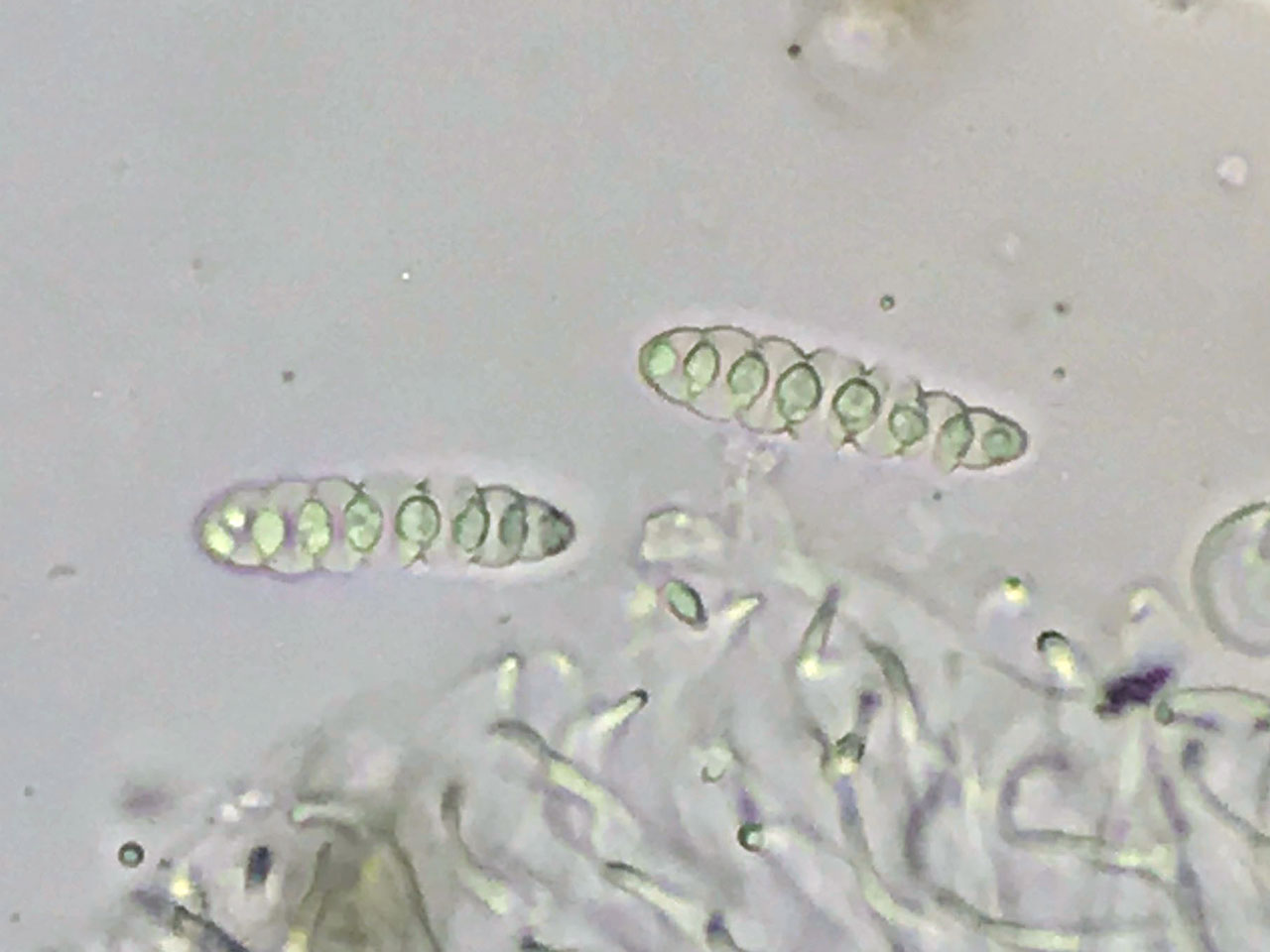
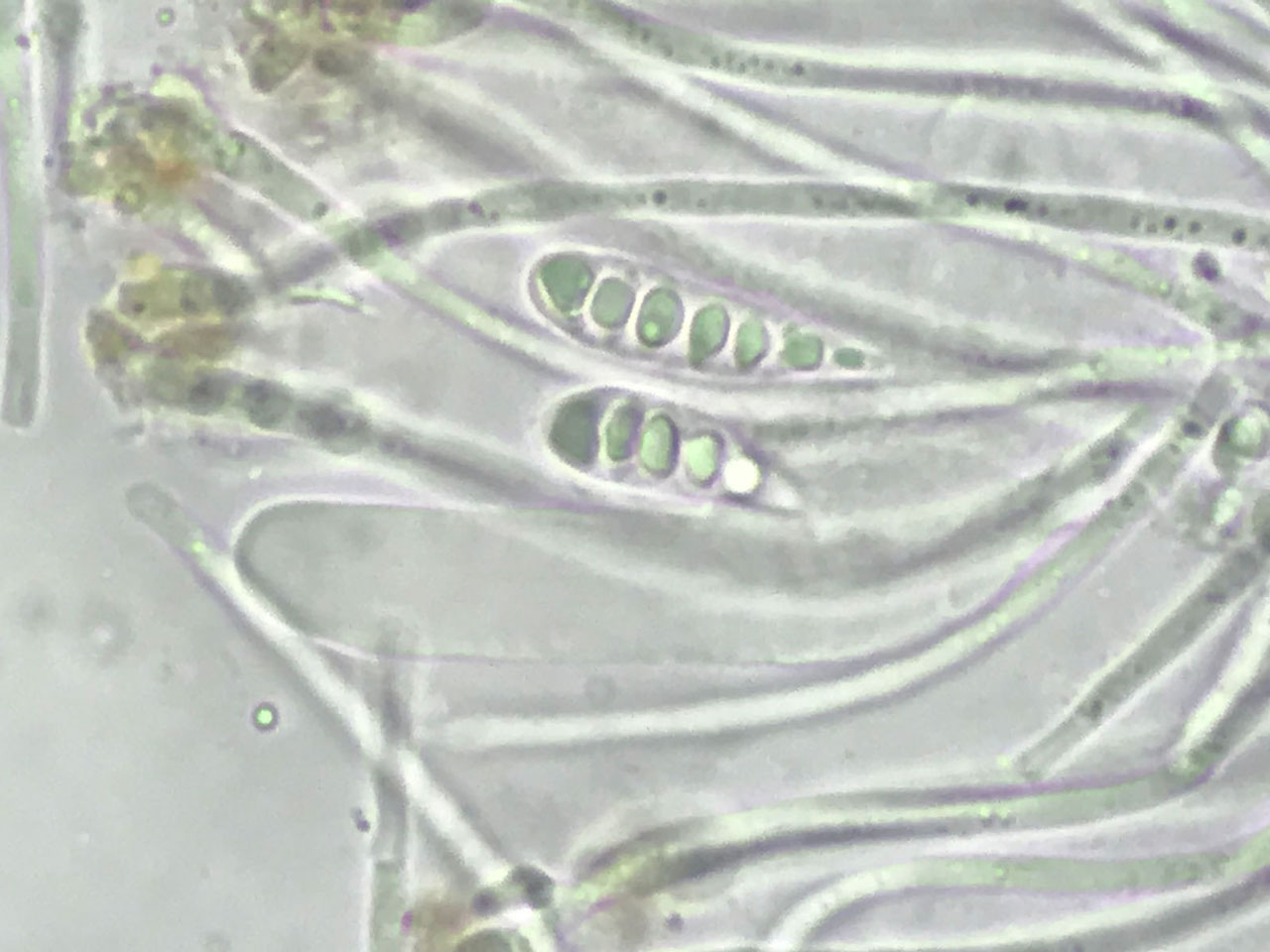
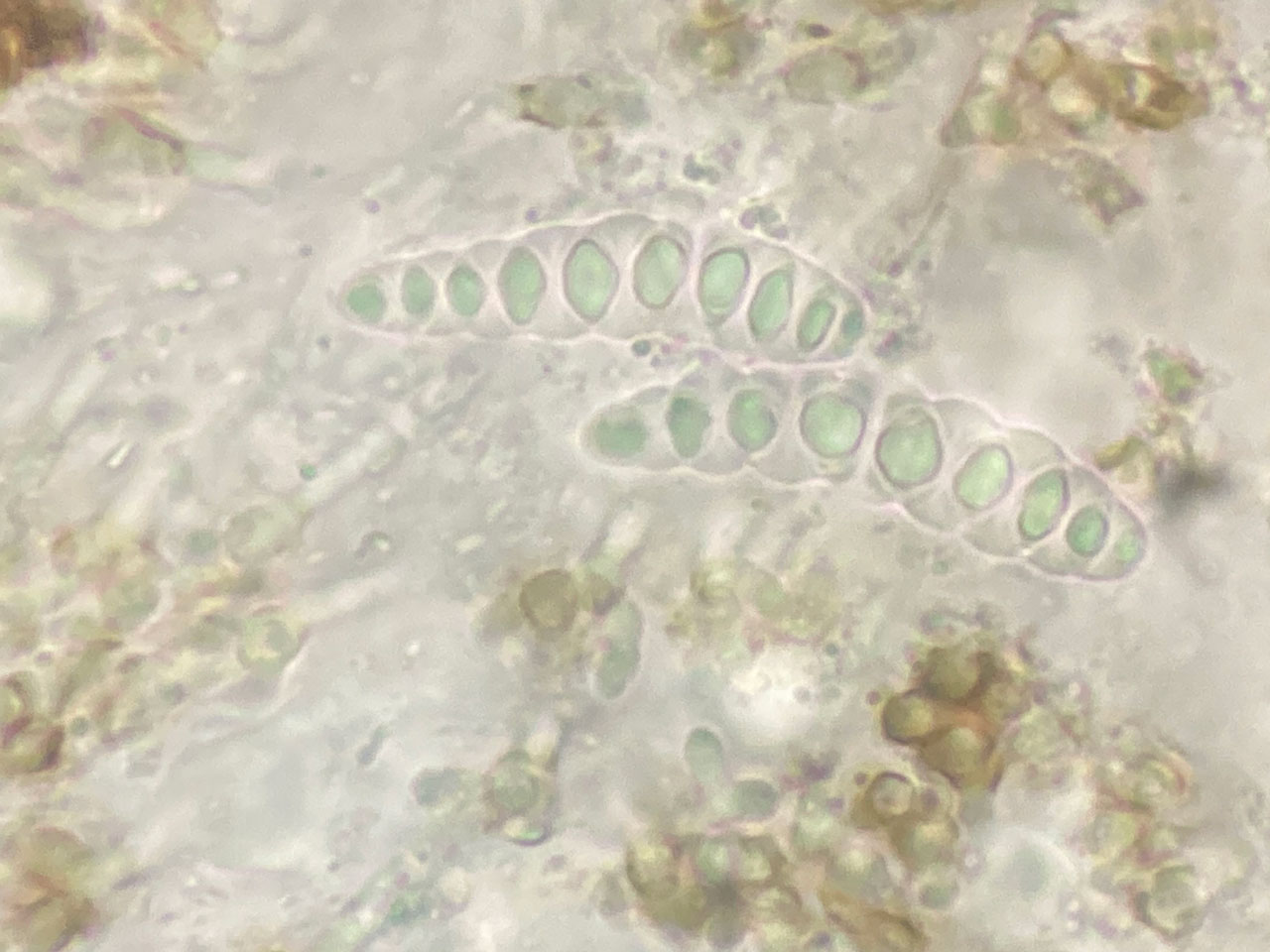
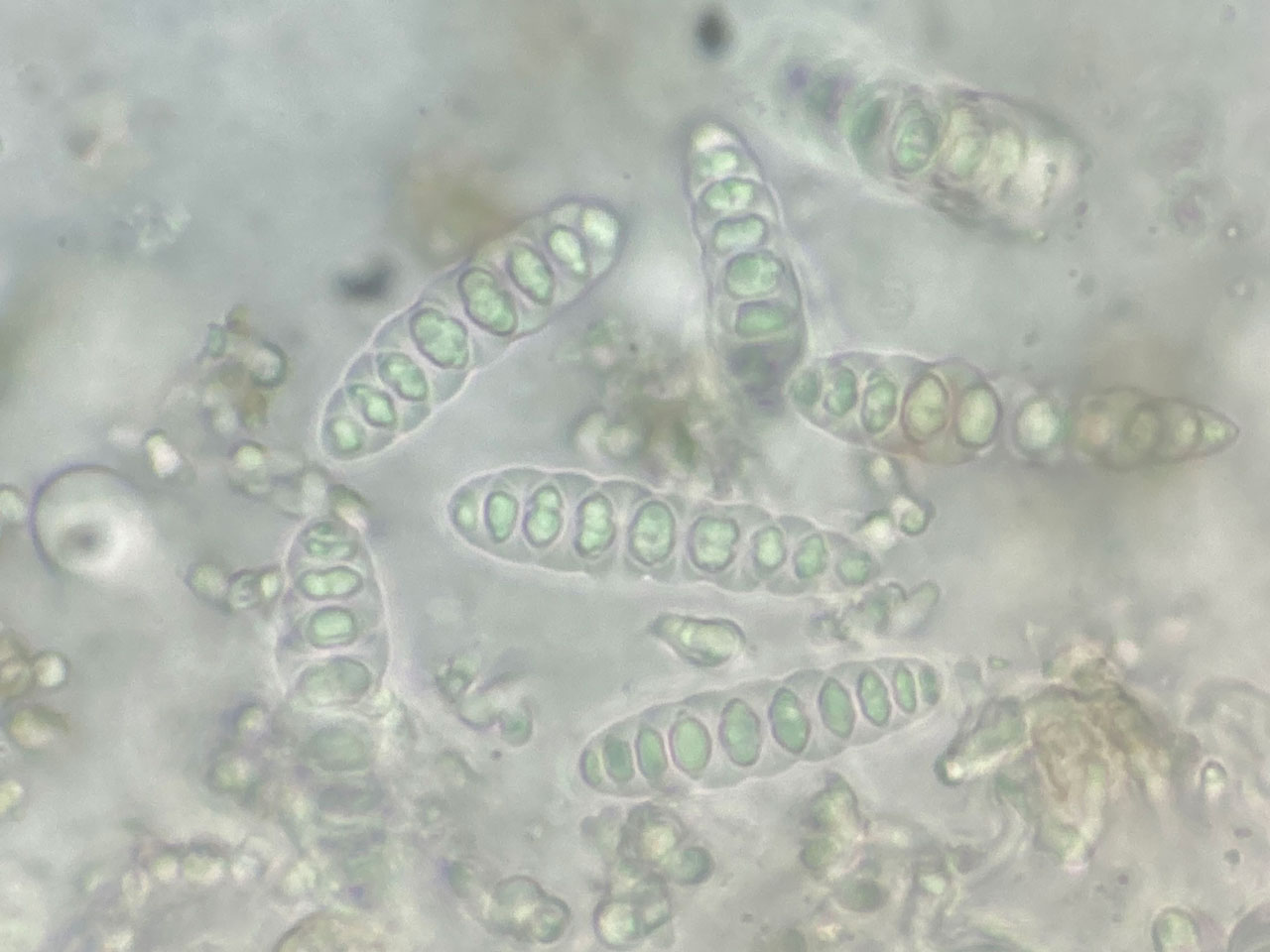
An apparently rare Graphis, one of several pan tropical species recently found in Europe. In this case possibly overlooked rather than a recent colonist as it has mainly been found in high quality lichen rich sites. Can be spotted by the more erumpent non-striate lirellae on a pale grey thallus and definitively distinguished from Graphis scripta s. lat. in the field by the K+ yellow→red spot test (but this can be week). In section, confirmed by the hymenium being inspersed with oil droplets and a K+ yellow→red (crystals) reaction in the thallus, indicating the presence of norstictic acid (as with G. elegans). So far confirmed on acidic bark on veteran Holly and Beech in old growth pasture woodland in the New Forest and Hazel in Bodmin and the Burren in Ireland. The identity of this taxon is being investigated further to determine its exact relationship to Graphis handelii elsewhere, the results are interesting and will be reported once published.
Similar to Graphis scripta (i.e. with non-striate lirellae), but the thallus has a K+ yellow→red (crystals) reaction (as with G. elegans), and the hymenium is inspersed with oil droplets and ± exposed in mature ascomata. Mature ascospores of British material measure 25–45 × 7–9 μm and are 6- to 9-septate, but smaller poorly formed spores also typically occur, the smallest measured being 17 x 6µm and 5 septate. Thallus C–, K+ yellow→red (crystals), Pd+ yellow becoming orange (reactions often patchy), UV– (norstictic acid).
The presence of norstictic acid can be patchy and difficult to confirm in the field for some specimens, but the typical K+ yellow→red (crystals) reaction can usually be seen under the microscope.
A pantropical species but recently reported from Portugal (there with rather smaller ascospores; illustrated by Lepista & Aptroot 2016) and now west Ireland and S. England. The British material lacks any thalline margins to the lirellae, which differs from the type material, so the British taxon may not be conspecific. Potentially overlooked for G. scripta s. lat., or for apparently young specimens of G. elegans. The lirellae of G. handelii often partially fall out, with new lirellae regenerating in the scar; this can give the impression of striate lirellae as found in G. elegans. Graphis crebra is similar but has pruinose hymenia and has been recorded in Devon.
So far recorded from Beech, Holly and Hazel in southern and, mainly old growth, oceanic woodlands, but also in on Hazel in scrub a clay pit, potential more widespread.
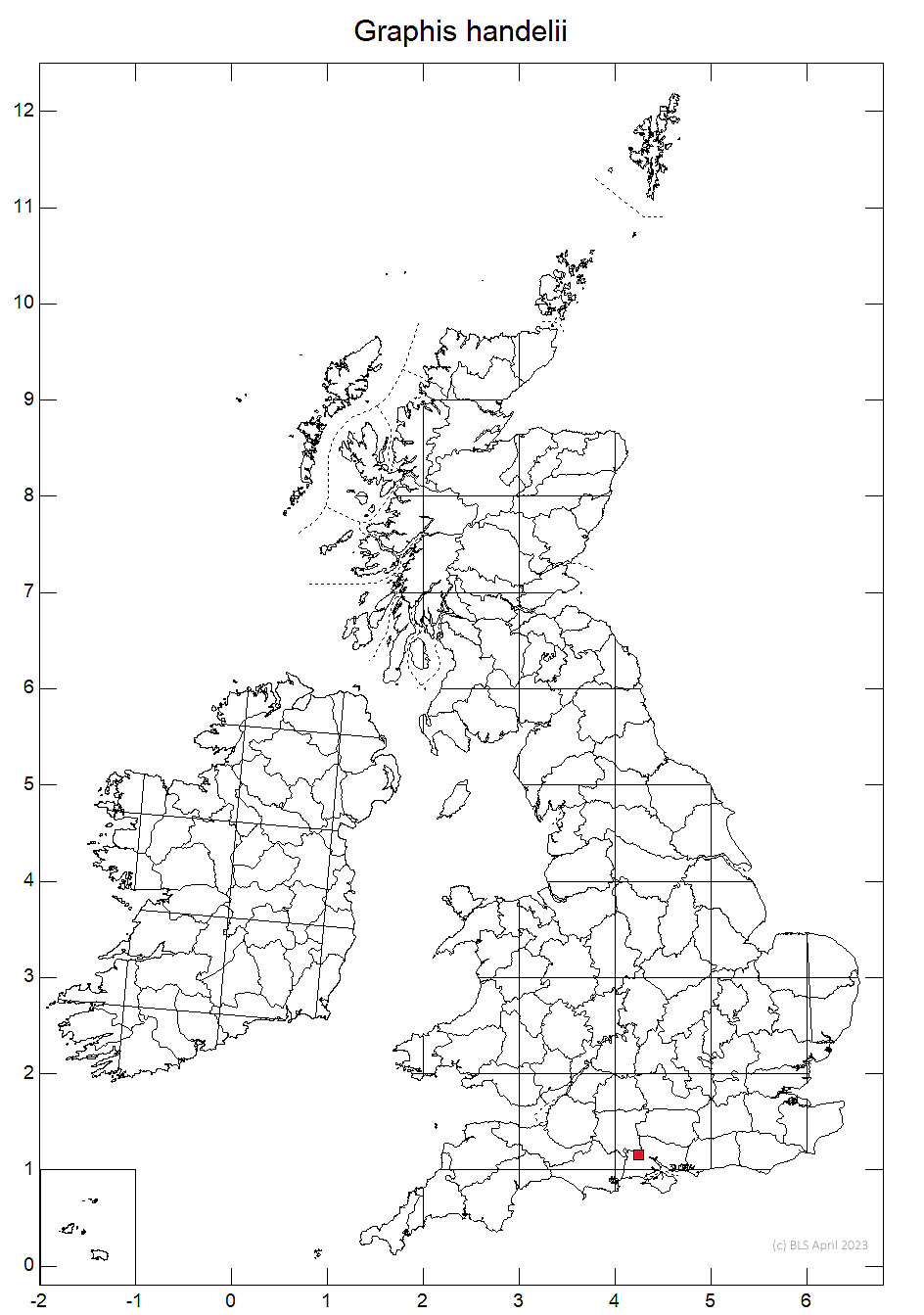

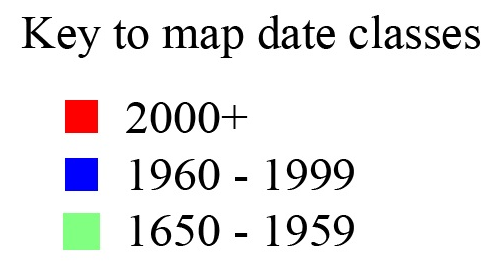
In 2021, found on the acid bark of older Holly and Beech in the New Forest in old-growth woodlands (S. Hampshire), where so far it has been found scattered in five woods in the band of old woodland along the north east side of the Forest. Also similar material has been collected on Hazel in Bodmin Moor (E. Cornwall) in 2024 and 2026 in recent woodland in an old mineral working and in an ancient woodland respectively. An unidentified Graphis from ancient Atlantic Hazel wood in the Burren, Co. Clare, collected in 2009, has also been since identified as Graphis handelii.
Not evaluated, but probably at least a Notable species and potentially a Red List species.
Aptroot, A., Weerakoon, G., Cannon, P., Coppins, B., Sanderson, N. & Simkin, J. (2023). Ostropales: Graphidaceae, including the genera Allographa, Clandestinotrema, Crutarndina, Diploschistes, Fissurina, Graphis, Leucodecton, Phaeographis, Schizotrema, Thelotrema and Topeliopsis. Revisions of British and Irish Lichens 36: 1-23.
Lepista, Z. & Aptroot, A. (2016). Seven species of Graphis from Portugal reported new to Europe. Lichenologist 48: 259–267.
Text by Neil A Sanderson based on Aptroot et al (2023)