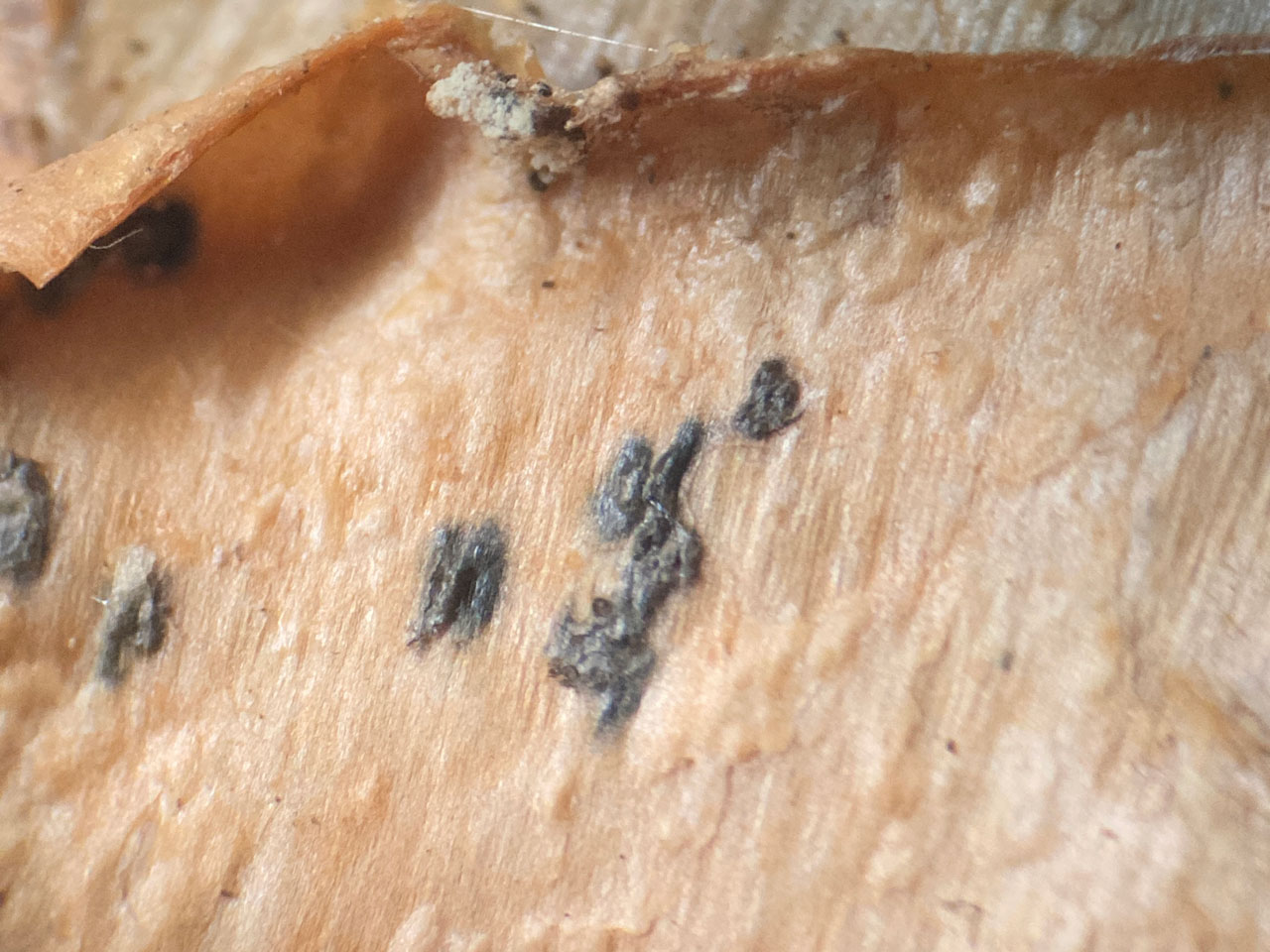
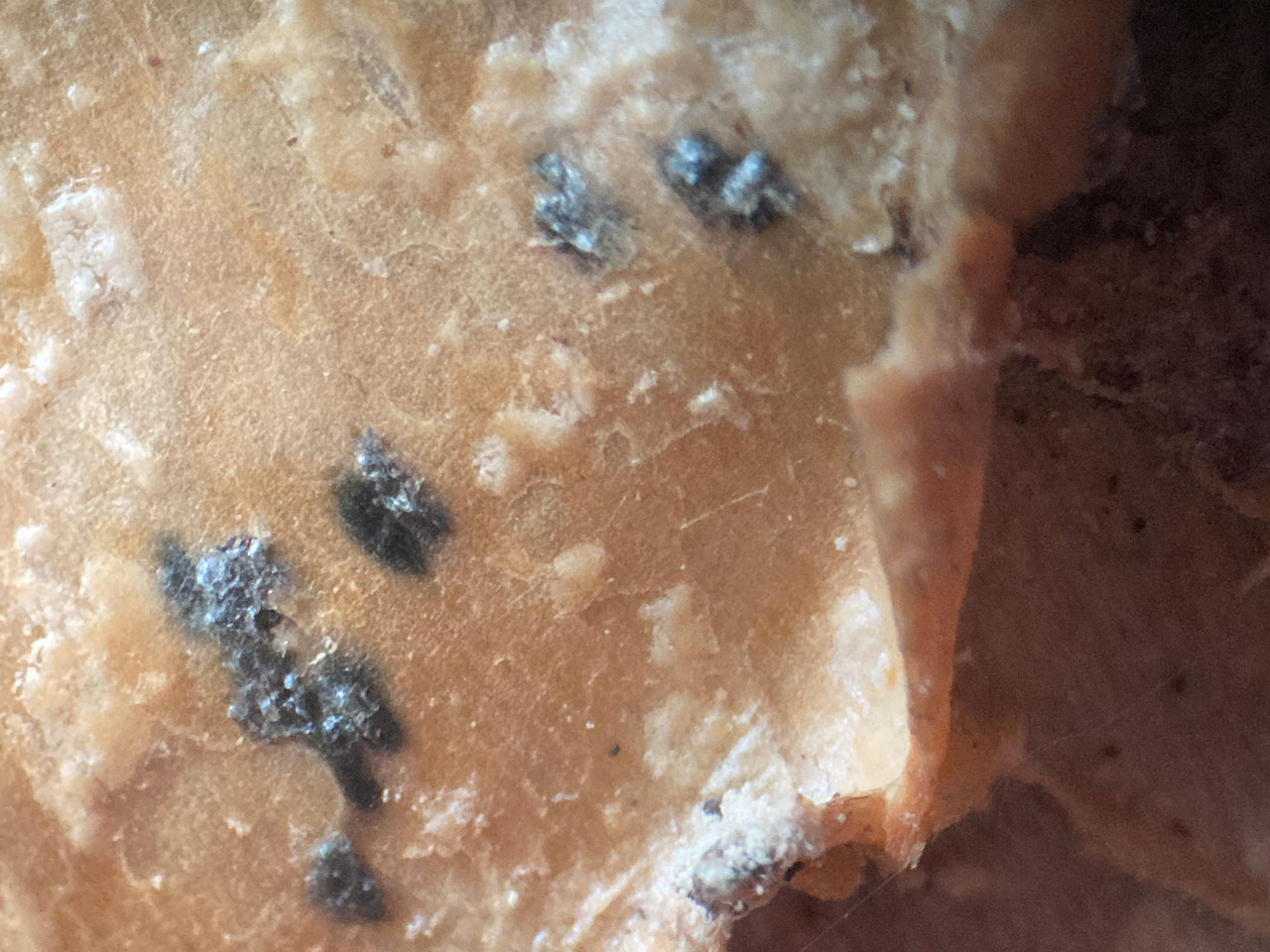
A rare non-lichenised fungus of northern and western old woods, which gives a pale discolouration to the bark, with irregularly rounded to bluntly stellate lirellae. Easily overlooked in the field for Naevia punctiformis, and microscope examination is required to confirm it is not N. punctiformis and also to separate it from the similar Arthothelium lirellans.
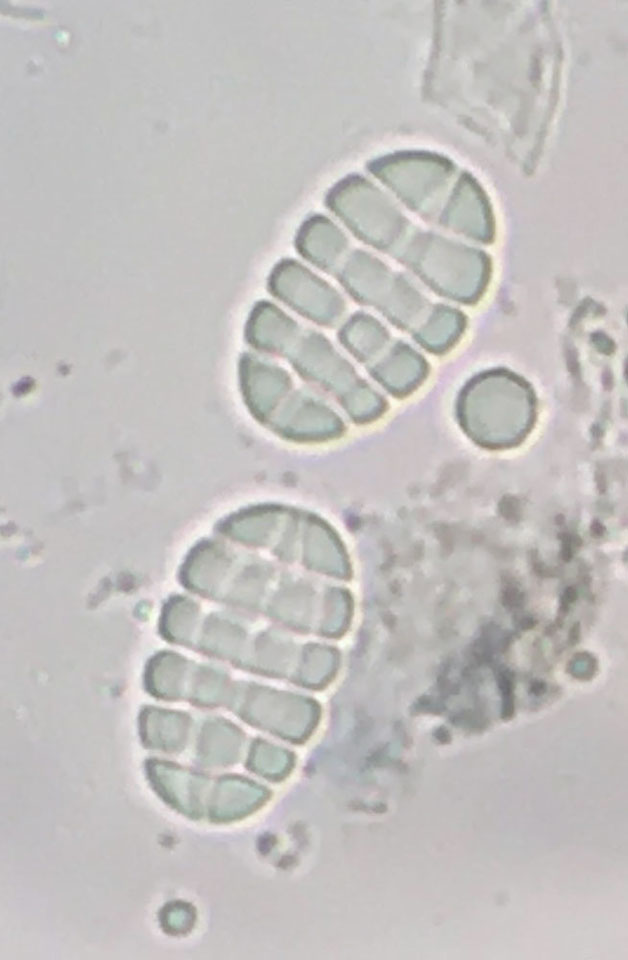
Thallus immersed, grey-white or creamy-white, usually delimited by a brown line; photobiont absent. Apothecia to 0.7 mm diam., rounded, rarely elongate or bluntly stellate, usually soon disintegrating at the centre, black, not pruinose, in section 45–65 µm tall; epithecium greenish brown, K+ greenish; hymenium 30–50 µm tall, colourless or pale greenish; hypothecium to 10 µm tall, indistinct, colourless; paraphysoids 1–1.5 µm diam., pigmented and to 3 µm diam. in the epithecium; apices often with a dark hood or cap. Ascospores (16–) 19–26 × (9–) 10–14 µm, obovoid-ellipsoidal, muriform, with 5–6 transverse septa, the 4 central cells with 2–3 longitudinal septa. Pycnidia 50– 80 µm diam., rare, black, the wall greenish in K; conidia 3.7–4.7 × 0.5–0.8 µm.
Very close in morphological terms to Arthothelium lirellans but the thallus is usually whiter, the apothecia more rounded and with a greater tendency to disintegrate at the centre, and ascospores that are relatively broader and with more longitudinal septa. According to Frisch et al. (2017), this species occupies an isolated clade basal to the main Arthonia cluster. Thiyagaraja et al. (2020) suggested a possible relationship with the genus Mycoporum because of morphological similarities with the type of this genus; it should be noted that probably none of the species assigned to Mycoporum by Sanderson & Coppins (2009) are congeneric with that type.
On smooth bark (Hazel, Holly, Oak, Rowan) in old (especially ravine) woodlands. The majority of records are from temperate rainforests, but it extends into drier sub-oceanic native pinewoods the Central Highlands.
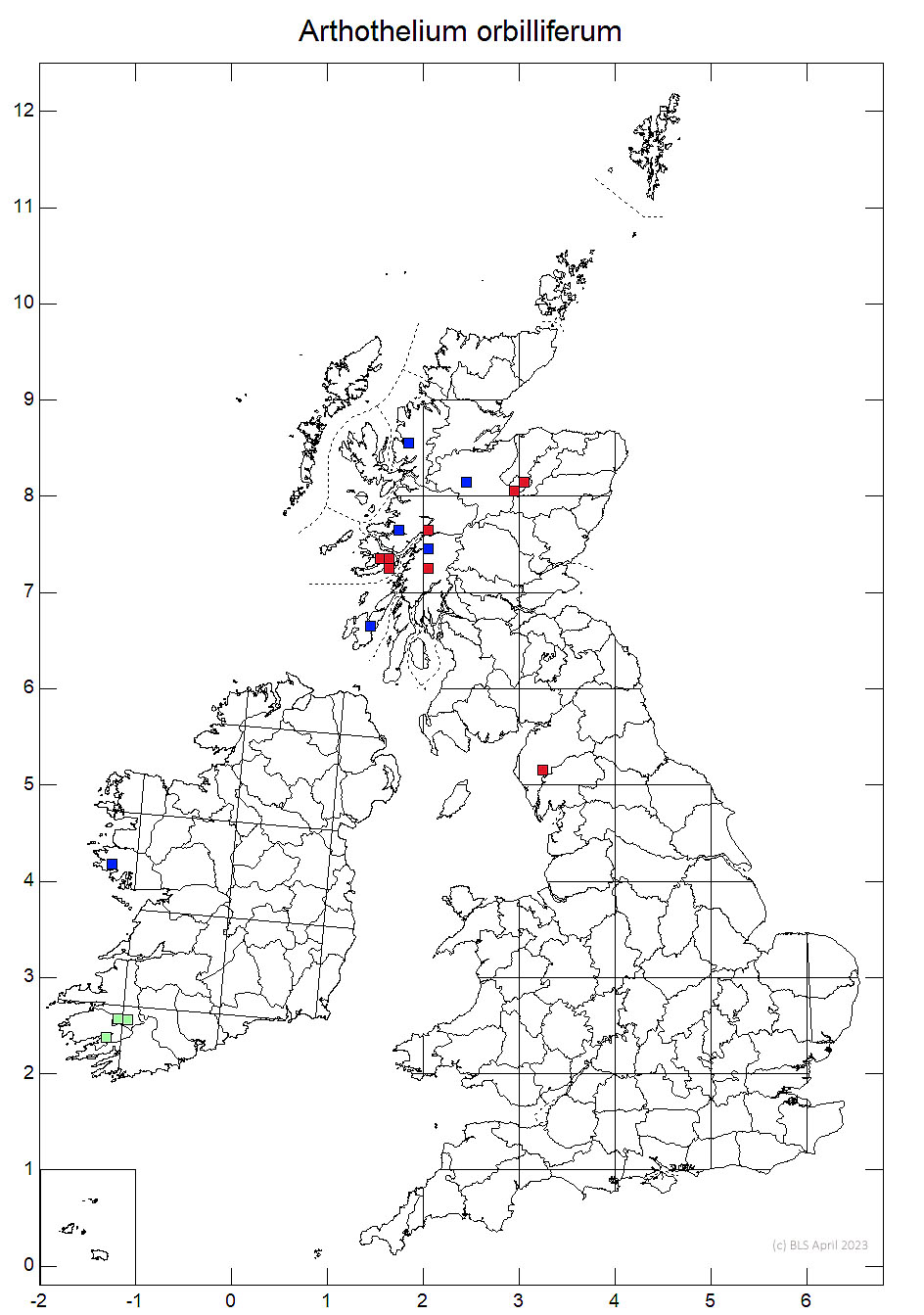

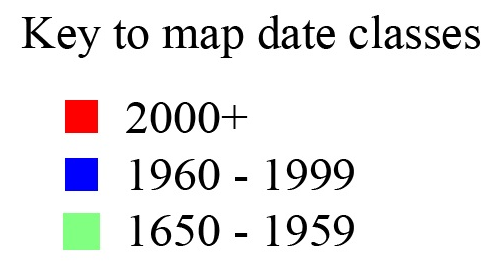
Rare, W. Scotland, Cairngorms, Cumbria, very rare in W. Ireland.
A small non-lichenised species, found on smooth bark in oceanic woodland and a few sub-oceanic old growth woods. Appears rarer than Arthothelium lirellans, where the two occur together. Also it is rarely recorded throughout its range and there is a lack of any modern records for Ireland.
Britain: Notable & International Responsibility species
Scotland: Priority Taxon for Biodiversity in Scotland
Cannon, P., Ertz, D., Frisch, A., Aptroot, A., Chambers, S., Coppins, B. J., Sanderson, N. A., Simkin, J. & Wolseley, P. (2020) Arthoniales: Arthoniaceae, including the genera Arthonia, Arthothelium, Briancoppinsia,Bryostigma, Coniocarpon, Diarthonis, Inoderma, Naevia, Pachnolepia, Reichlingia, Snippocia, Sporodophoron, Synarthonia and Tylophoron. Revisions of British and Irish Lichens 1: 1 - 48
Sanderson, N.A. & Coppins, B.J. (2009). Mycoporum. In: Lichens of Great Britain and Ireland (Smith, C.W., Aptroot, A., Coppins, B.J., Fletcher, A., Gilbert, O.L., James, P.W. & Wolseley, P.A. eds): 620–622. London: British Lichen Society.
Text by Neil A Sanderson, based on Cannon et al (2020)